
Tottenham Manager
Tottenham manager history has always shaped the identity of the club, and today that journey continues to fascinate supporters of Tottenham Hotspur Vietnam. From Bill Nicholson’s glory years to Mauricio Pochettino’s modern revolution, every era has left a tactical and cultural legacy. Under Ange Postecoglou, Spurs are again redefining their playing style with bold attacking football. This article looks at how the role has evolved and what it means for the club’s future.
The current Tottenham manager and his tactical blueprint
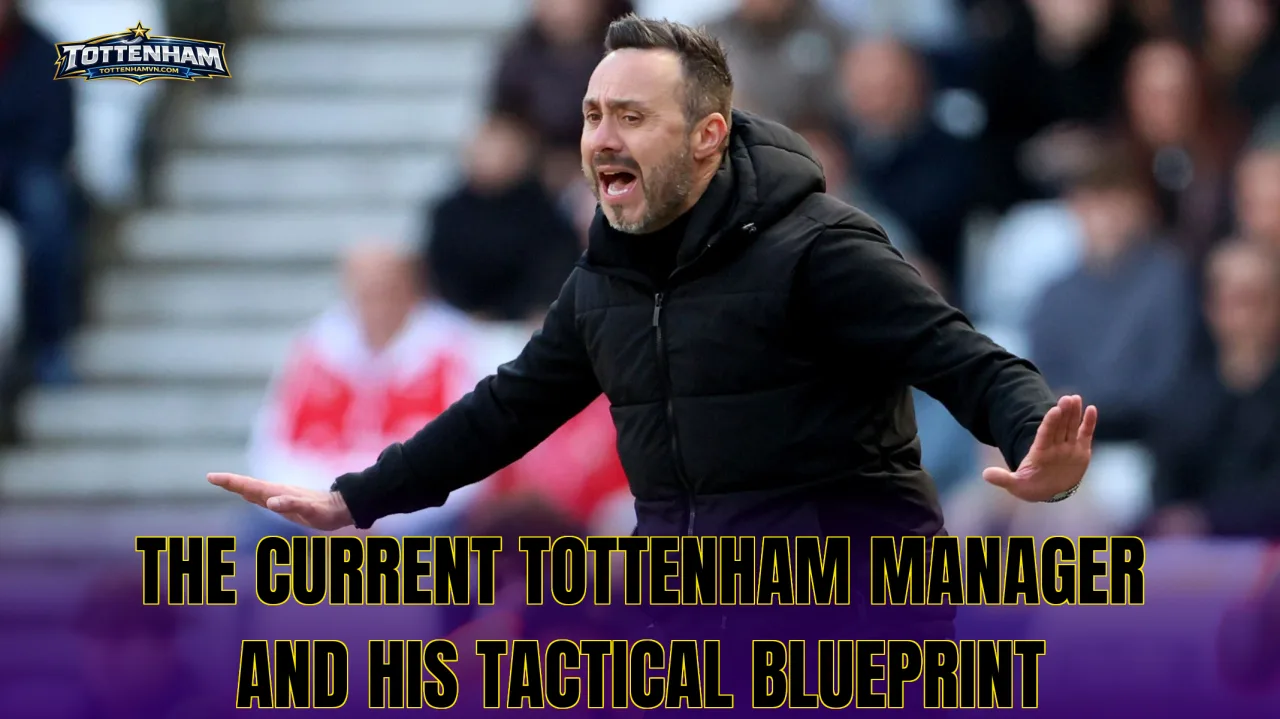
The appointment of the current Tottenham manager, Ange Postecoglou, in 2023 marked a decisive shift back to front‑foot football. After pragmatic spells under Mourinho and Conte, Spurs moved towards high pressing and positional play. For the fan community of Tottenham Hotspur Vietnam, his philosophy represents both entertainment and a clear long‑term project. Understanding his tactical blueprint helps explain why the club is investing so heavily in youth and technical profiles.
Attacking principles and build-up structure
Postecoglou asks his players to dominate the ball and attack with numbers, which makes the role of Tottenham manager as much about choreography as motivation. Full‑backs invert into midfield, creating overloads around the pivot and freeing creative eights to break lines. The wingers hold width to stretch the back line, while the striker often drops to link play. This structure allows Spurs to pin opponents deep and sustain pressure across 90 minutes.
High pressing and defensive transition
Another trademark of the current Tottenham manager is an aggressive press that starts from the front. Spurs trigger pressure on backward passes, forcing rushed clearances and turnovers in advanced zones. Centre‑backs defend on the front foot, stepping into midfield to intercept vertical balls. When possession is lost, the nearest three players counter‑press immediately, reducing the need for deep defending and limiting shots faced.
Data-driven squad building
Under this Tottenham manager, recruitment is tightly aligned with analytics and tactical needs. The club targets players with strong progressive passing, press resistance, and high-intensity running metrics. Age profiles skew younger, allowing development under an intense training regime. For followers of Tottenham Hotspur Vietnam, each transfer window now feels like a coherent chapter in a clear sporting project rather than a short‑term gamble.
How the Tottenham manager role has evolved through the decades
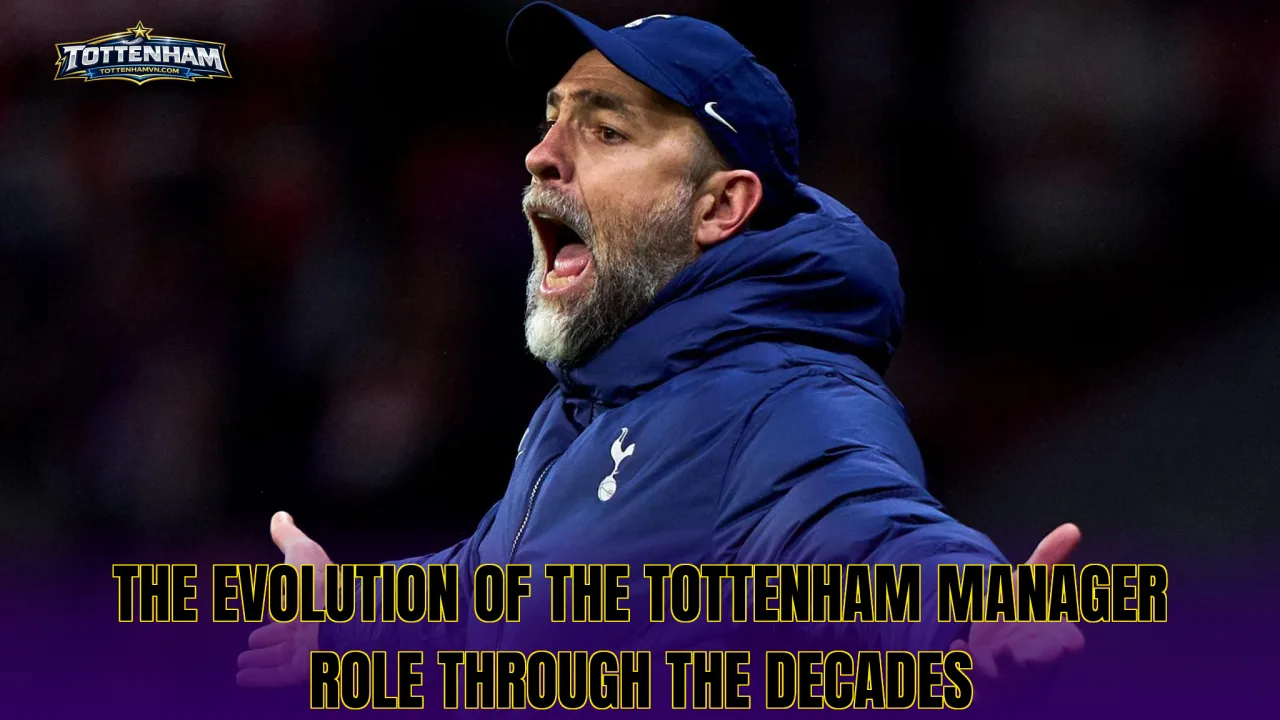
The position of Tottenham manager has changed dramatically with shifts in tactics, sports science, and club ownership. From authoritarian bosses to collaborative head coaches, responsibilities have expanded beyond matchday decisions. Today’s coach must manage media, analytics staff, and global fan expectations. The table below highlights how key aspects of the job have evolved from the Nicholson era to the modern day.
| Era | Key Tottenham manager | Core style | Notable achievements |
|---|---|---|---|
| 1960s–1970s | Bill Nicholson | Attacking, quick passing | Double 1960/61, European trophies |
| 1990s–2000s | Ossie Ardiles, Martin Jol | Open, transitional football | League Cup runs, European qualification |
| 2014–2019 | Mauricio Pochettino | High press, vertical attacks | UCL final 2019, consistent top‑four |
| 2023–present | Ange Postecoglou | Positional play, high tempo | Rebuild with youth and attacking identity |
From traditional manager to modern head coach
In the Nicholson era, the Tottenham manager controlled almost every sporting decision, from training drills to transfers. Today, the role is integrated into a wider structure with a sporting director and specialist departments. Modern coaches must collaborate with data analysts, psychologists, and medical teams. This shared model allows more sustainable planning but also demands strong communication and leadership skills.
Media scrutiny and global fan engagement
Modern Spurs coaches operate under intense media scrutiny, with every tactical tweak dissected by pundits and fan channels. A Tottenham manager now represents the club’s brand across global markets, including communities like Tottenham Hotspur Vietnam. Press conferences, digital content, and social media all influence public perception. Handling this spotlight while protecting the dressing room has become a critical part of the job.
Adapting to the Premier League arms race
The financial growth of the league means every Tottenham manager must compete against state-backed clubs and deep squads. Spurs respond by focusing on smart recruitment, elite coaching, and player development. Margins are small, so set‑piece efficiency, recovery protocols, and rotation strategies matter more than ever. Success is no longer just about a strong XI, but about maximising a 25‑man squad over a demanding schedule.
Key challenges and opportunities facing the Tottenham manager
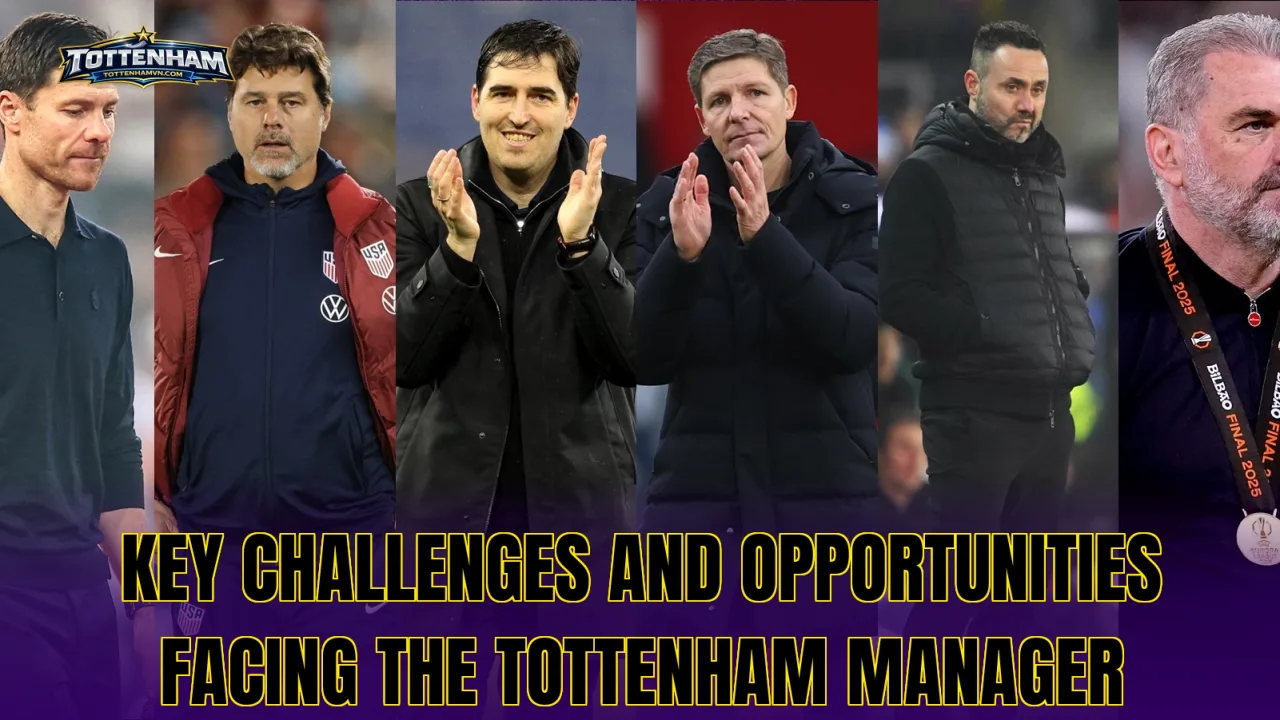
The current Tottenham manager must navigate a complex mix of expectations: attractive football, Champions League qualification, and tangible trophies. Balancing long-term development with short-term results is a constant tension. For readers of Tottenham Hotspur Vietnam, understanding these pressures offers context when judging performances across a full season. Several strategic themes will define whether this project delivers silverware.
Replacing star players and spreading responsibility
Losing a talismanic striker forced the Tottenham manager to redistribute goals and creativity across the squad. Instead of relying on a single focal point, Spurs now use rotating front lines and goal‑threat from midfield. This makes the team less predictable but demands time for automatisms to develop. Recruitment focuses on versatility so that injuries do not derail the attacking structure.
Integrating academy talents into the first team
One major opportunity for any Tottenham manager is the club’s productive youth system. The pathway from academy to first team is crucial for both financial sustainability and cultural identity. Young players bring energy and tactical flexibility, fitting well with a pressing game. Successful integration also resonates strongly with supporters who value home‑grown heroes representing the badge.
Competing on multiple fronts
As Spurs push for Champions League qualification and domestic cups, the workload on the Tottenham manager intensifies. Rotating without losing tactical cohesion is a delicate task, especially in high‑intensity systems. Sports science data guides decisions on minutes and recovery cycles. How well the coach manages squad depth will likely determine whether Spurs can end their trophy drought in the coming seasons.
Conclusion
The future of the Tottenham manager role will be defined by how effectively Ange Postecoglou turns an exciting style into consistent results. With a clear tactical identity, smarter recruitment, and a strong academy pipeline, Spurs are positioned to challenge at the top end of the Premier League. For the community at Tottenham Hotspur Vietnam, the coming years promise a compelling journey to follow. If the project holds its nerve, a new era of sustained success in north London is within reach.
Tottenham academy prospects shaping Spurs’ future