Tottenham Biggest Rivals: The Fierce Rivalries Shaping Spurs History
Tottenham biggest rivals have shaped the club’s identity, from historic North London clashes to modern Premier League grudges. For generations, supporters have measured success not only by trophies but also by results in these emotionally charged fixtures. As the fanbase grows globally, understanding these rivalries is essential to grasp what makes Spurs unique. On this page, we explore the context, data and culture behind every major enemy.
The history behind Tottenham biggest rivals
To understand Tottenham biggest rivals, we need to go back to the club’s early days and the shifting landscape of English football. Geography, league structures and dramatic matches all contributed to turning ordinary opponents into hated adversaries. Over time, these fixtures moved from local bragging rights to global spectacles watched by millions. The emotions remain the same, but the stakes and spotlight have never been higher.
North London roots and early tensions
Spurs were founded in 1882 in North London, while Arsenal originally came from south of the Thames. Tension escalated when Arsenal moved to Highbury in 1913, encroaching on Tottenham territory. The controversial 1919 First Division expansion, where Arsenal were promoted despite finishing fifth in the Second Division, deepened resentment. From that moment, every derby carried a sense of injustice for Spurs supporters.
Post-war derbies and rising attendances
After World War II, White Hart Lane became a fortress for passionate home crowds. North London derbies regularly drew some of the highest attendances in the country. Iconic Spurs sides of the 1950s and 1960s, including the famous Double winners of 1960–61, battled for supremacy with their neighbours. These matches were often physical, tactical and unpredictable, cementing Arsenal as one of Tottenham biggest rivals in the national spotlight.
Premier League era and global exposure
The formation of the Premier League in 1992 pushed these rivalries onto screens around the world. Live broadcasts, social media and international fan clubs amplified every controversial decision and dramatic goal. For the website Tottenham, this era provides endless material: tactical breakdowns, transfer narratives and fan reactions. Rivalries that once belonged to local London communities now resonate with supporters from Hanoi to Houston.
North London derby: At the heart of Tottenham biggest rivals
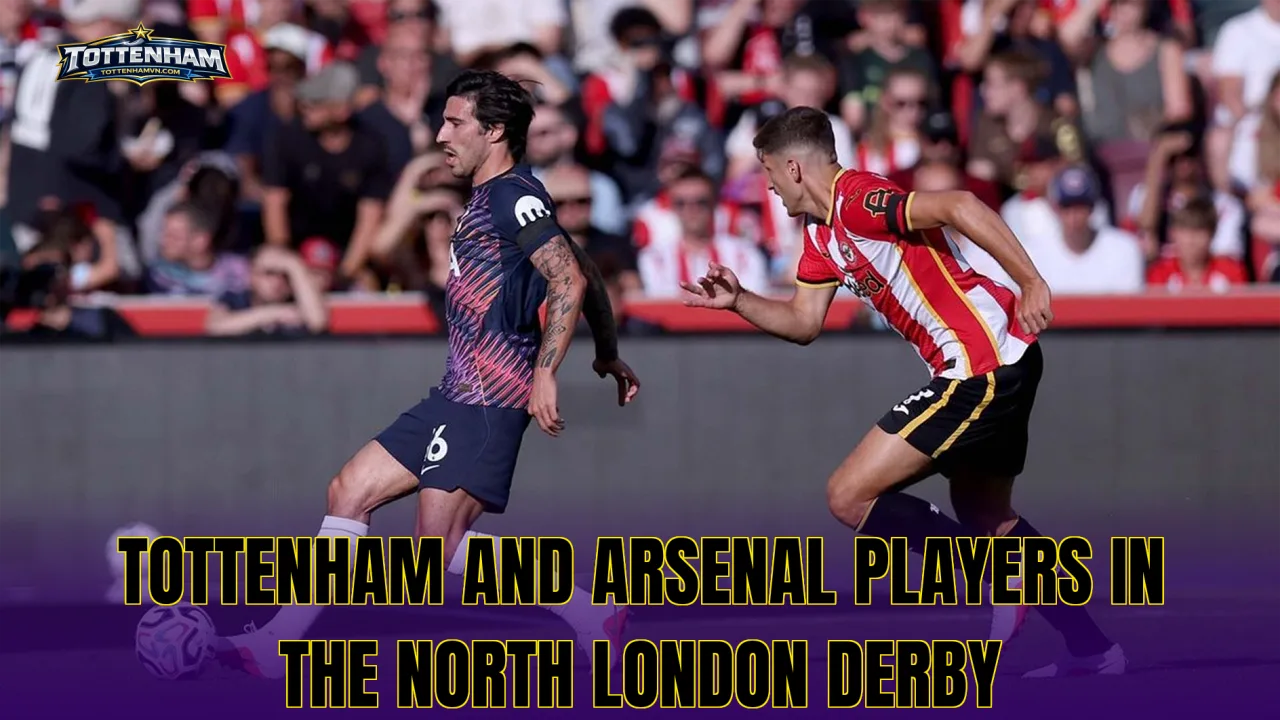
The North London derby remains the most intense fixture among Tottenham biggest rivals. It blends history, politics, geography and footballing philosophy into one combustible package. Every season, both sets of fans circle these dates on the calendar first. League position, form and injuries matter, but emotion often overrides logic when these two clubs meet.
Key statistics and defining moments
Recent decades have seen momentum swing between Spurs and Arsenal several times. White Hart Lane and now Tottenham Hotspur Stadium have hosted unforgettable nights, from title-chasing clashes to top-four deciders. Late equalisers, red cards and dramatic comebacks are common themes. These moments fuel debates among fans and analysts on Tottenham, reinforcing why this derby sits at the top of the rivalry pyramid.
| Fixture | Era | Result | Rivalry impact |
|---|---|---|---|
| Spurs 5–0 Arsenal | 1983 | Emphatic home win | Statement of intent in North London |
| Spurs 2–1 Arsenal | 1991 FA Cup semi-final | Gazza’s free-kick | Iconic moment in derby folklore |
| Spurs 3–2 Arsenal | 2010 Premier League | Top-four push | Signalled Spurs’ modern resurgence |
| Spurs 2–0 Arsenal | 2017 Premier League | Spurs finish above Arsenal | Ended the “St Totteringham’s Day” era |
Fan culture, identity and bragging rights
For many supporters, this derby defines their footballing identity from childhood. Families are split, workplaces turn into battlegrounds and social media erupts after every goal. Chants, banners and tifos reflect decades of rivalry narratives. On Tottenham, fan stories and matchday experiences show how deeply these fixtures shape loyalty and pride, far beyond the ninety minutes on the pitch.
Modern tactical battles and star players
In recent years, tactical sophistication has added new layers to this old feud. High pressing, inverted full-backs and fluid front lines have transformed the way derbies are contested. Star players like Harry Kane, Son Heung-min and past heroes such as Gareth Bale have written their names into derby history. Their performances are often used as benchmarks when analysing Tottenham biggest rivals and assessing the club’s progress.
Other clubs among Tottenham biggest rivals in the modern era
While Arsenal remain the primary enemy, the list of Tottenham biggest rivals has expanded with changing ambitions. Champions League qualification battles and title races have created new tensions with several Premier League giants. These rivalries are driven less by geography and more by competition for silverware and global status. For Spurs, they represent the challenge of staying among the elite.
Chelsea: London power struggle
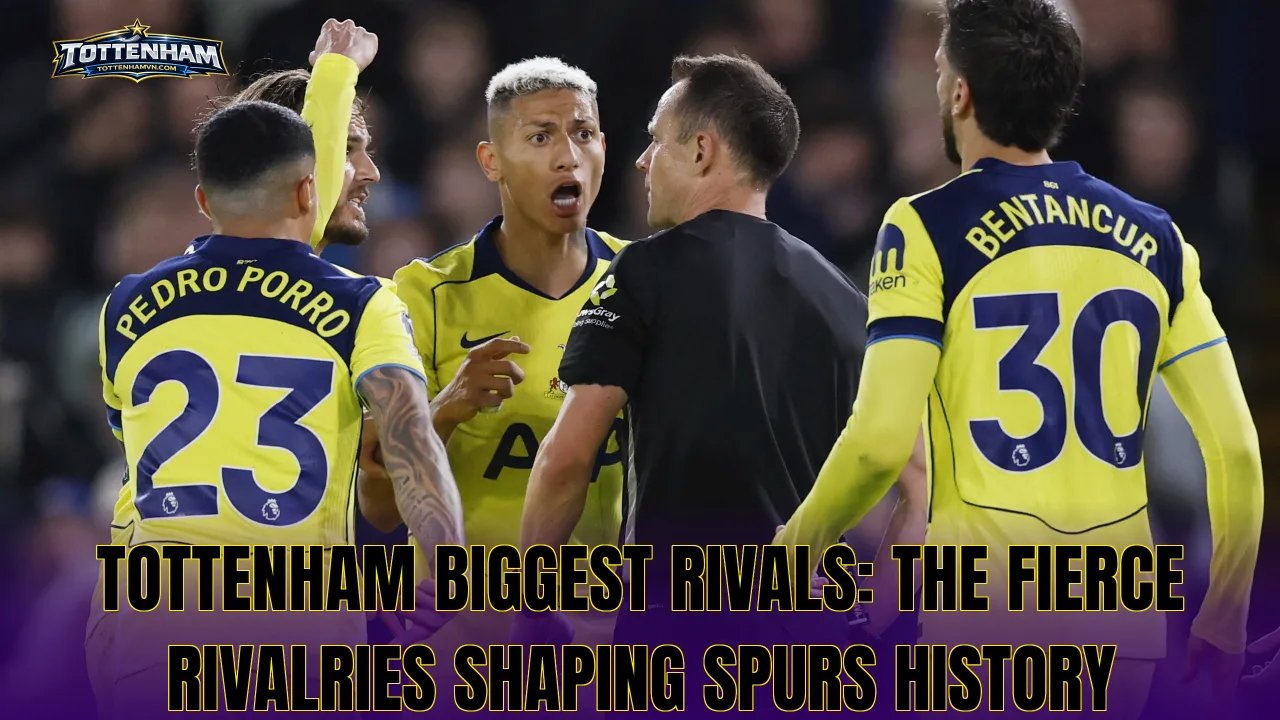
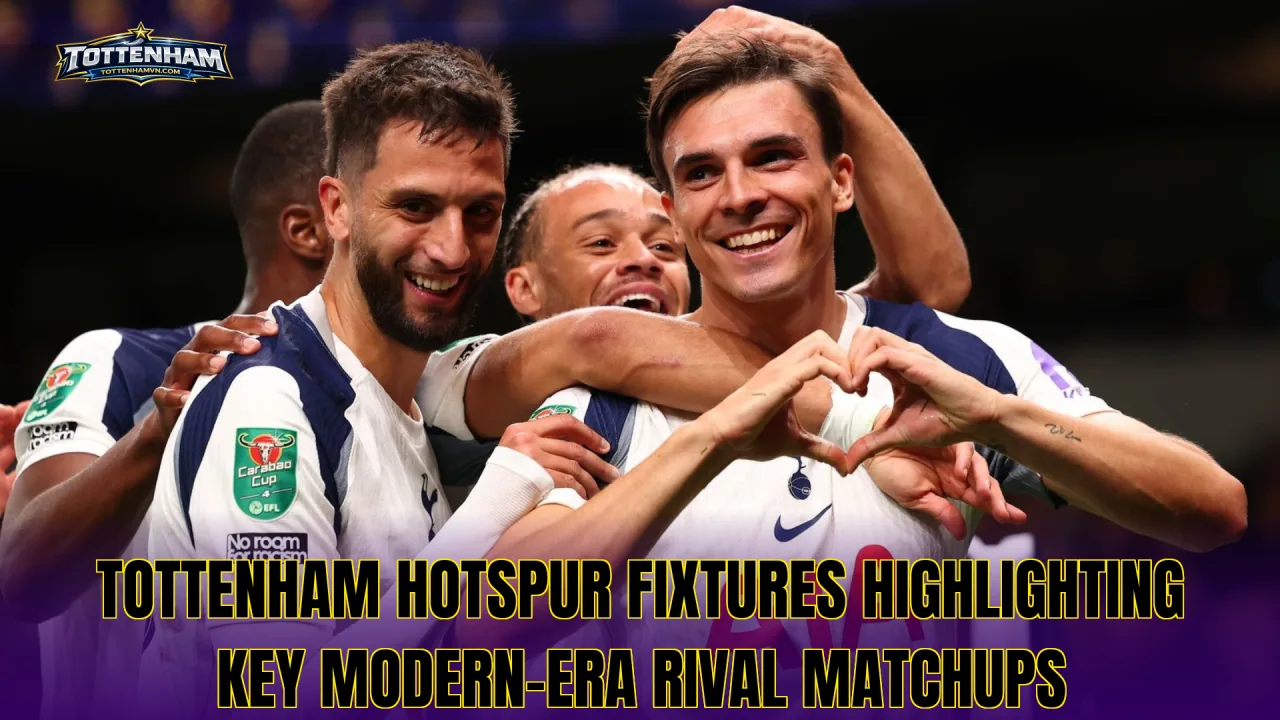
Chelsea emerged as a major rival in the 2000s, fuelled by high-stakes league clashes and cup meetings. The 2015 “Battle of the Bridge” draw, which ended Spurs’ title hopes, remains one of the most infamous modern Premier League matches. Aggressive tackles, touchline confrontations and controversial refereeing decisions intensified the dislike. Many fans now place Chelsea just behind Arsenal when ranking Tottenham biggest rivals in emotional terms.
West Ham United: local animosity
West Ham may not always compete for the same honours, but the animosity is undeniable. Their supporters often treat matches against Spurs as the biggest games of the season. Historic East–North London tensions and several shock results have kept this fixture spicy. Whenever the schedule is released on Tottenham, fans quickly scan for West Ham dates, expecting hostile atmospheres and unpredictable contests.
Manchester clubs and top-four battles
As Spurs established themselves as regular European contenders, matches against Manchester City and Manchester United gained new significance. City’s title-chasing sides repeatedly clashed with ambitious Tottenham teams in league and Champions League ties. United, with their global fanbase, represent a traditional benchmark of success. While these are newer additions to the list of Tottenham biggest rivals, the competitive edge is undeniable.
How Tottenham biggest rivals shape the club’s future
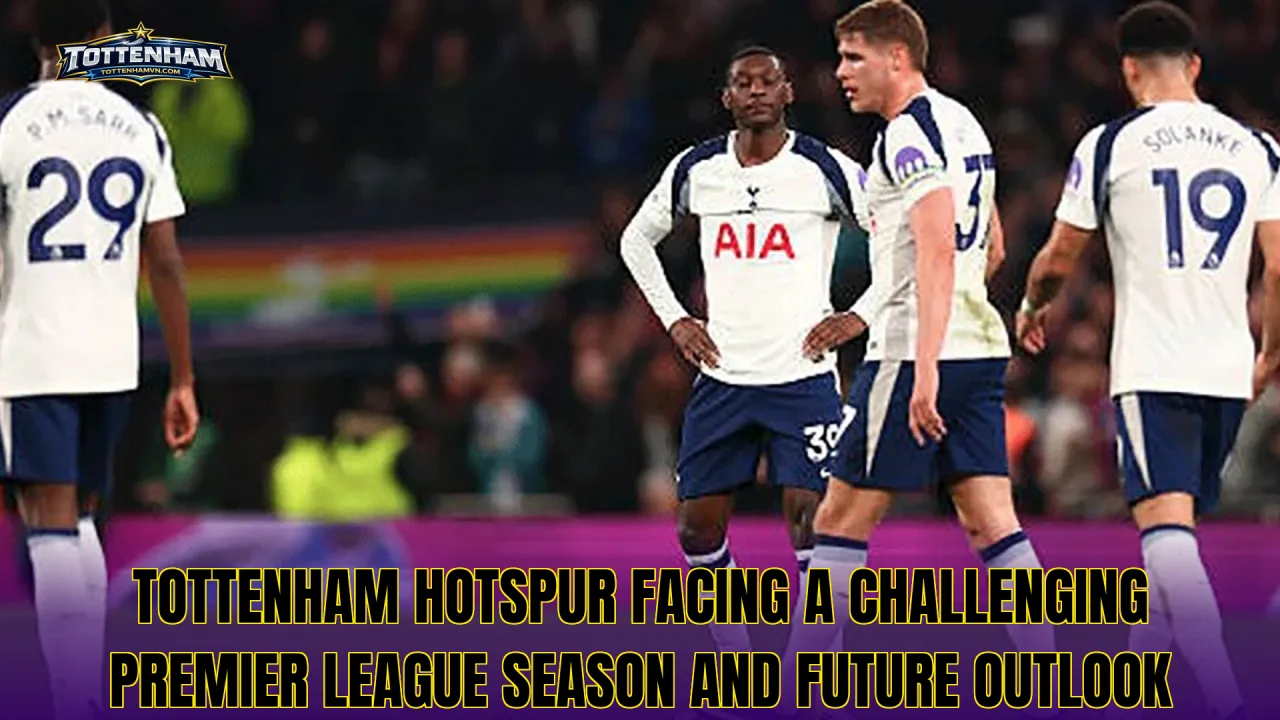
The ongoing story of Tottenham biggest rivals will continue to influence transfer policy, tactical evolution and stadium atmosphere. Beating key opponents often acts as a catalyst for confidence and long unbeaten runs. For younger fans, each new dramatic derby or high-stakes clash becomes part of their personal history with the club. Rivalries are not static; they evolve with every season, manager and generation.
Impact on recruitment and long-term planning
When evaluating signings, decision-makers increasingly consider how players perform in pressure games. Derby temperament, mental resilience and big-match experience are crucial attributes. Analysts on Tottenham often highlight how squads that handle rivalry fixtures well tend to finish higher in the table. Success in these matches supports long-term goals like consistent Champions League qualification and potential title challenges.
Global fan engagement and digital growth
High-profile rivalry games drive huge spikes in online engagement across platforms. Match previews, live blogs and post-game analysis attract international audiences hungry for detailed coverage. This attention helps expand the club’s reach into new markets, including Southeast Asia. For Vietnamese supporters, following Tottenham biggest rivals provides a gateway into deeper tactical understanding and community interaction.
Cultural legacy and community identity
Ultimately, these rivalries help define what it means to be a Spurs supporter. Shared memories of victory and heartbreak bind generations together, from old White Hart Lane regulars to new fans watching from Ho Chi Minh City. The stories told on Tottenham preserve this heritage, ensuring that every new follower understands the context behind each hostile handshake and passionate celebration.
Conclusion
Knowing the history and dynamics of Tottenham biggest rivals is essential for any fan who wants to truly connect with the club’s identity. These fixtures influence strategy, recruitment, fan culture and even global brand growth. As Spurs chase new honours, the importance of beating key opponents will only increase. For in-depth analysis, match previews and community discussion, visit Tottenham and stay close to every chapter of this evolving story.