
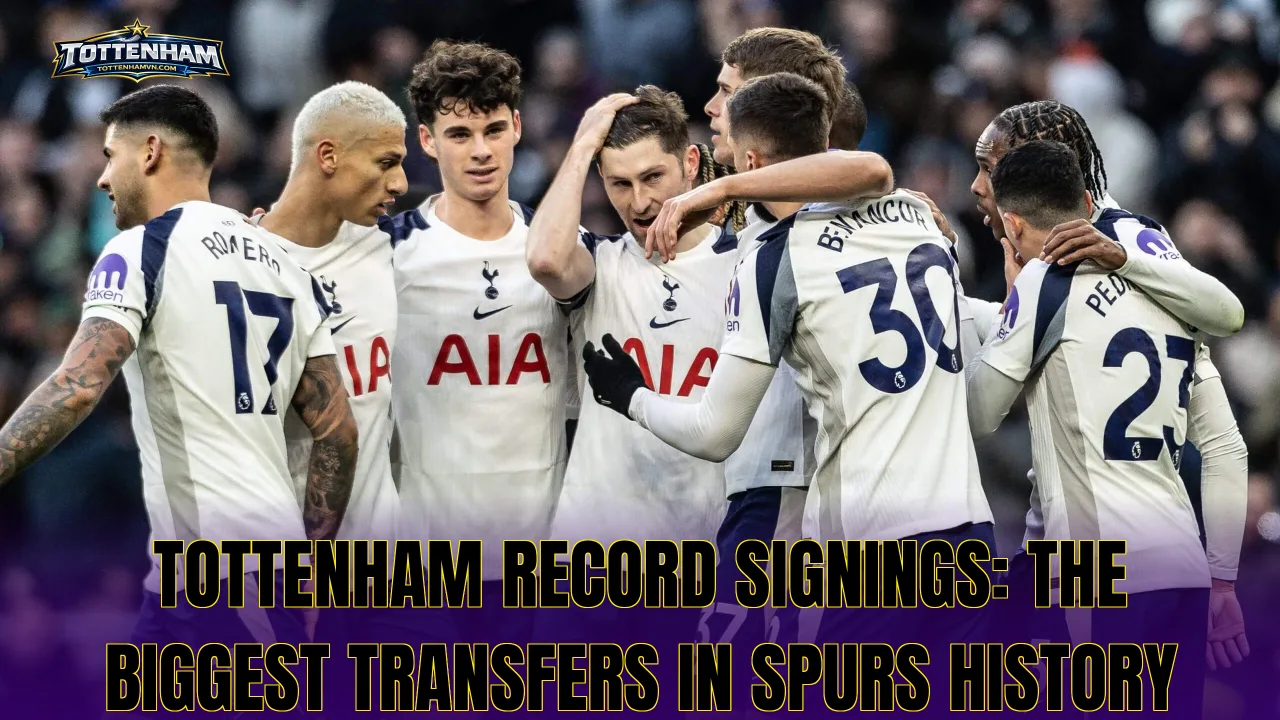
Tottenham Record Signings: The Biggest Transfers in Spurs History
Tottenham record signings have defined different eras of ambition, from survival in the top flight to chasing Champions League glory. As transfer inflation accelerates across Europe, each new fee tells a story about strategy, risk and the evolving identity of Tottenham. This guide reviews the biggest deals, how they performed, and what they reveal about the club’s long‑term project under various managers and sporting directors.
Tottenham record signings through the Premier League era
The list of Tottenham record signings mirrors the club’s rise from mid‑table to regular European competitor. Each major fee arrived in a specific tactical context, linked to a manager’s preferred system and the financial climate. Understanding these moves helps explain why some players thrived while others struggled at Spurs.
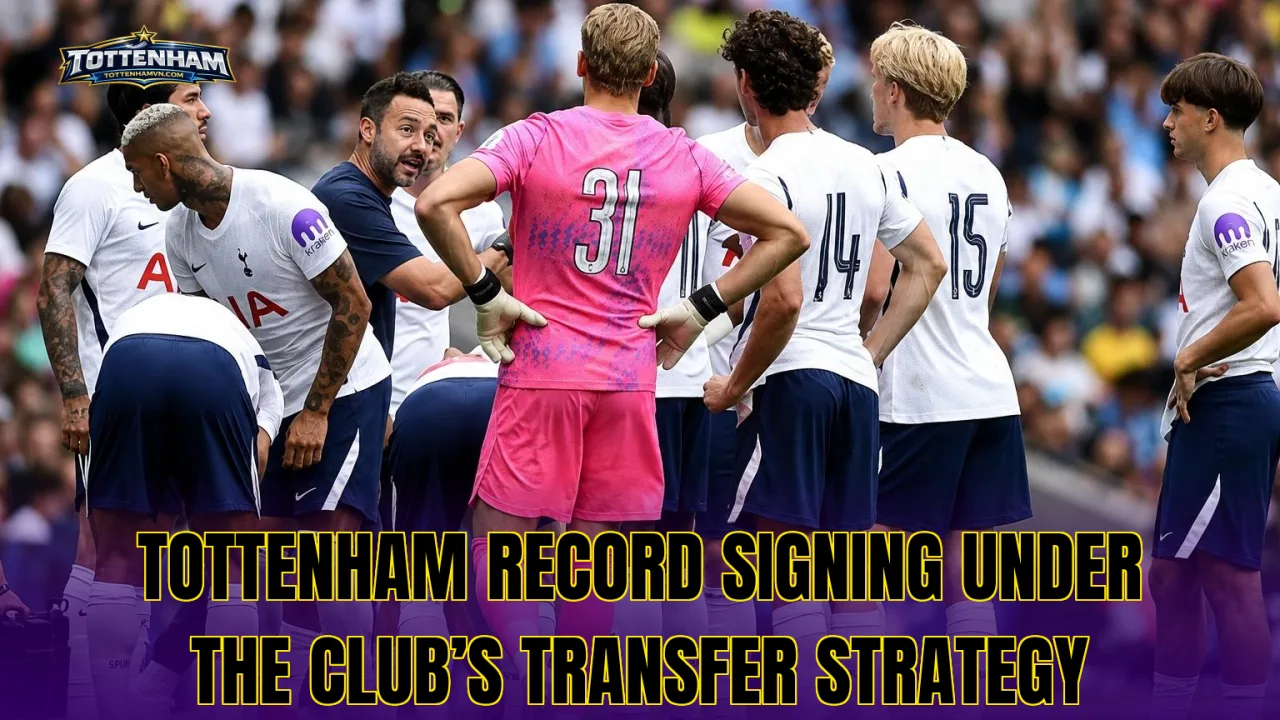
From Darren Bent to Luka Modrić and early ambition
In 2007, Darren Bent arrived from Charlton for around £16.5m, a huge figure for Spurs at the time. Soon after, Luka Modrić and Dimitar Berbatov showed the club’s intent to recruit technically elite players. These early deals were not yet modern Tottenham record signings, but they laid the foundations for a possession‑based style. The shift away from pure physical forwards to creative playmakers changed how Spurs were perceived in England and across Europe.
The Bale money and the post‑2013 rebuild
The sale of Gareth Bale to Real Madrid in 2013 triggered a radical rebuild led by Franco Baldini. Tottenham invested heavily in Erik Lamela, Roberto Soldado, Paulinho and others, chasing depth across the squad. Only a few of those signings truly justified the fees, yet this period showed Spurs were ready to pay top‑tier prices. The mixed success of that window still shapes how supporters judge future big‑money arrivals and modern Tottenham record signings.
Stadium move, Champions League run and rising fees
The new stadium and consistent European qualification pushed Spurs into a higher financial bracket. Reaching the 2019 Champions League final increased revenue and global profile, which in turn raised expectations for incoming players. As transfer markets inflated, the club had to pay closer to elite‑club levels for targets. That context explains why more recent Tottenham record signings carry both higher fees and heavier pressure.
Tottenham record signings under different managers
Each head coach has influenced which profiles became Tottenham record signings. Mauricio Pochettino, José Mourinho and Ange Postecoglou all demanded different attributes, from high‑pressing energy to physical dominance or technical security. Analysing these deals by managerial era highlights how recruitment philosophy has evolved at Spurs.
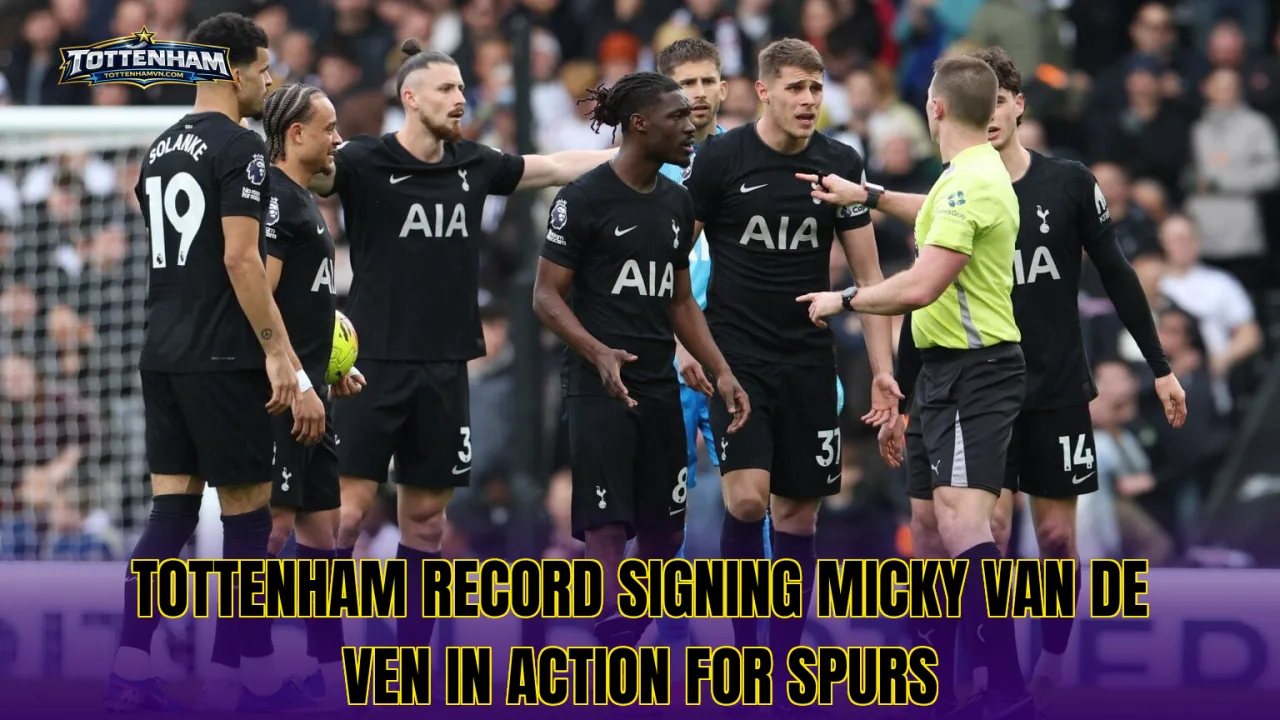
Pochettino’s era: Ndombele and the search for control
Tanguy Ndombele arrived from Lyon in 2019 for a fee that set a new benchmark. He was expected to transform midfield with press resistance and progressive passing. However, inconsistent fitness and adaptation issues limited his impact, and he never became the controlling presence Pochettino needed. This early modern example among Tottenham record signings showed the risk of paying peak‑market prices for players still adjusting to top‑level demands.
Mourinho and the focus on physical profiles
Under Mourinho, the club targeted players who could win duels and transition quickly. While not always breaking the absolute record, several high‑fee additions fit this mould, including Sergio Reguilón and Pierre‑Emile Højbjerg. The strategy prioritised short‑term competitiveness over long‑term resale value. That period reminded supporters that Tottenham sometimes lean toward pragmatic signings when chasing immediate results.
Postecoglou’s high‑tempo rebuild in North London
Ange Postecoglou has demanded aggressive, front‑foot football, which reshaped the recruitment brief. Recent windows have focused on technical defenders, dynamic midfielders and versatile forwards who can press and rotate. In this context, newer Tottenham record signings are judged less on name value and more on how quickly they adapt to a demanding tactical structure. The club now targets players whose data profiles match a clear, long‑term playing identity.
Tottenham record signings: key numbers and performance data
Looking at the biggest fees in a structured way clarifies how Tottenham record signings have performed relative to expectations. Fees, appearances and goal contributions reveal which deals delivered value and which became cautionary tales. The table below uses public data up to the 2025–26 season to summarise impact.
| Player | Season signed | Approx. fee (€m) | Position | Apps (all comps) | Goals + Assists |
|---|---|---|---|---|---|
| Tanguy Ndombele | 2019–20 | ~62 | Central midfielder | 90+ | 18+ |
| Richarlison | 2022–23 | ~58 | Forward | 80+ | 35+ |
| Yves Bissouma | 2022–23 | ~29 | Defensive midfielder | 70+ | 5+ |
| Cristian Romero | 2021–22 | ~50 | Centre‑back | 110+ | 10+ |
| James Maddison | 2023–24 | ~46 | Attacking midfielder | 50+ | 25+ |
Richarlison and the post‑Kane attacking evolution
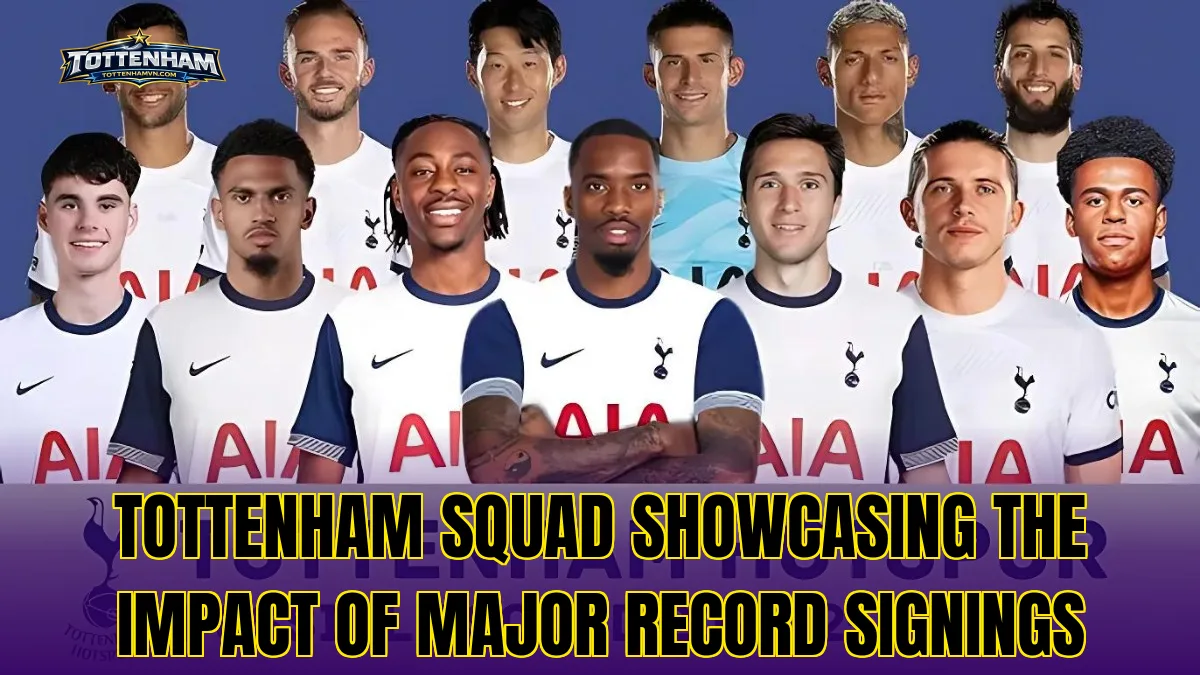
Richarlison’s arrival from Everton for a fee close to the club record was designed to add depth across the front line. After Harry Kane’s departure, his role became even more central, leading the press and attacking the box. His goal output increased as he settled, making him one of the most scrutinised Tottenham record signings of the modern era. His versatility remains crucial in a system that demands fluid movement from all forwards.
Romero, Maddison and leadership in key zones
Cristian Romero and James Maddison, while not always topping the fee charts, sit just below the very highest bracket. Both brought leadership in vital areas: Romero in defensive organisation, Maddison in chance creation and set pieces. Their impact illustrates why some near‑record deals can feel as significant as official Tottenham record signings. They have quickly become reference points for the squad’s mentality and technical level.
Balancing resale value and on‑pitch output
Modern recruitment at Tottenham weighs immediate contribution against potential resale value. Younger players with strong data profiles and international experience are more likely to justify large fees over several seasons. When assessing Tottenham record signings, the club now considers wage structure, age curve and tactical fit. This more analytical approach aims to reduce the risk of expensive misfires that limit future flexibility.
What future Tottenham record signings could look like
The next wave of Tottenham record signings will likely emerge in response to tactical tweaks and squad gaps. With the stadium established and commercial growth continuing, Spurs can target higher‑value profiles than a decade ago. However, Financial Fair Play and Premier League regulations still demand careful planning around amortisation and wage commitments.

Priority positions and data‑driven scouting
Centre‑back, deep midfield and a flexible forward remain the most likely areas for a future fee record. The club’s scouting network now leans heavily on metrics such as progressive passes, pressures and expected goals. This makes it easier to compare targets across leagues and age groups. Any new Tottenham record signings will almost certainly rank in the top percentile for key indicators relevant to Postecoglou’s style.
Competing with state‑backed and elite clubs
Spurs operate below the financial scale of state‑backed rivals, so they must be smarter rather than simply richer. That means moving early in windows, exploiting release clauses and using clear development pathways as a selling point. When Tottenham decide to break their transfer record again, they must be convinced the player offers a unique mix of talent and mentality. Beating bigger spenders to such signatures reinforces the club’s sporting project.
The role of academy and smart mid‑range deals
Record transfers cannot solve every squad problem, so academy graduates remain vital. Players like Oliver Skipp and emerging youth prospects allow the club to invest more heavily in one or two key roles. Alongside that, mid‑range signings with strong upside help maintain depth without distorting the wage bill. This balance ensures that future Tottenham record signings are final pieces, not desperate fixes.
Conclusion
Tottenham record signings reflect more than just headline numbers; they show where the club wants to compete and how it plans to get there. From early statements of ambition to data‑driven deals under Postecoglou, each big transfer helps define the identity of Tottenham on and off the pitch. As revenues grow and the squad evolves, breaking the record will remain a powerful signal of intent to supporters, rivals and the wider football world.