
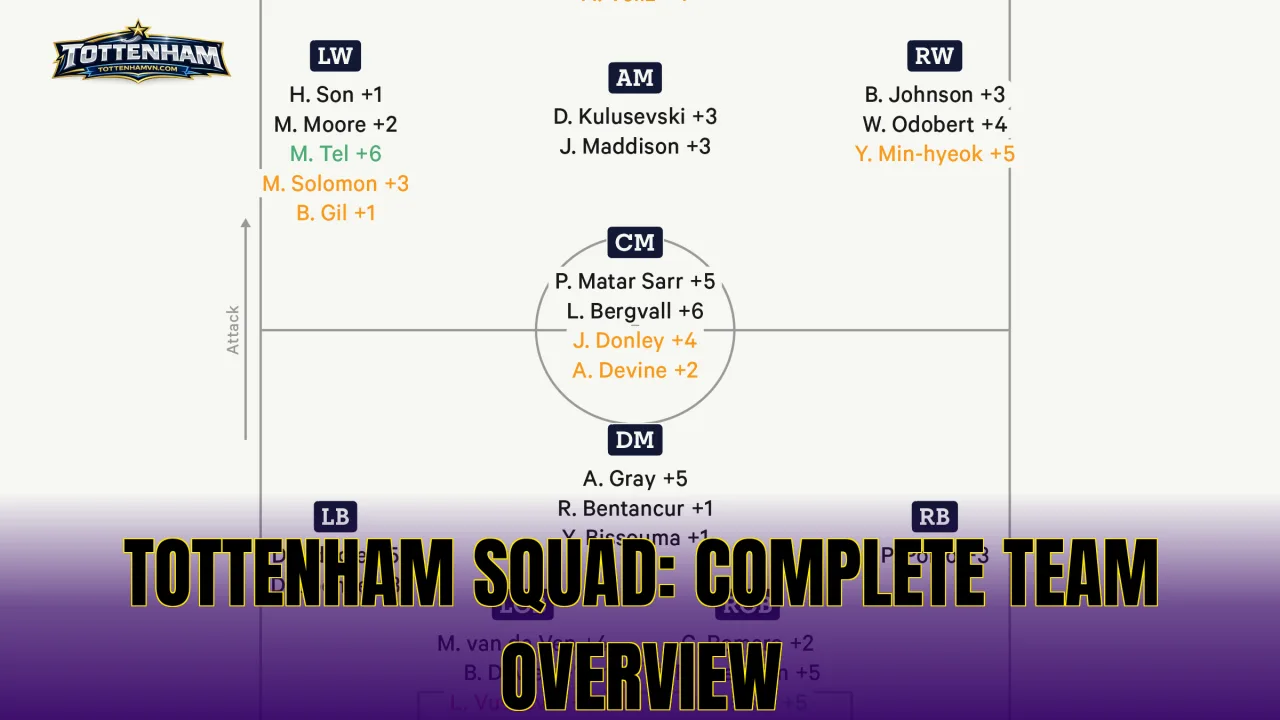
Tottenham Squad: Complete Team Overview
Tottenham squad analysis for the 2025/26 season highlights a group built to compete on multiple fronts while staying true to the club’s attacking DNA. As the leading English hub for Spurs fans in Vietnam, Tottenham provides an updated, data–driven look at every position. This overview focuses on balance, tactical roles, and the emerging leaders shaping the dressing room. All information reflects the latest confirmed details up to 2026.
Tottenham squad overview and tactical identity
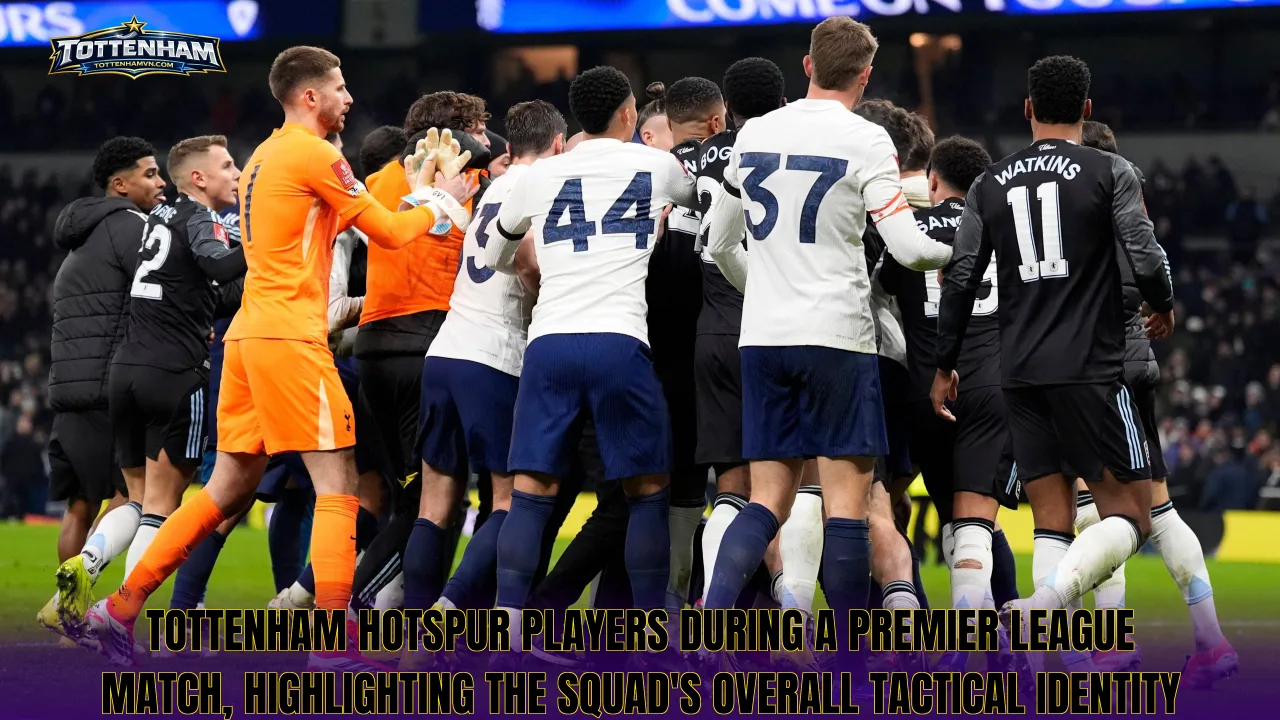
The current Tottenham squad is constructed around high pressing, fluid attacking patterns and aggressive build–up from the back. Ange Postecoglou’s philosophy demands defenders comfortable on the ball, midfielders who can receive under pressure, and dynamic forwards. In this context, Tottenham have prioritised versatile profiles able to cover multiple roles. The result is a core group that can adapt from a 4-3-3 to a 4-2-3-1 without losing structure or intensity.
Key leaders and dressing room structure
Within the Tottenham squad, leadership is shared between experienced internationals and homegrown pillars. The captaincy group typically includes senior defenders, the main playmaker and at least one academy graduate. This balance helps maintain standards in training and gives younger players clear role models. Off the pitch, the leadership core also influences recruitment, as the club targets characters who fit the existing culture.
Squad balance between youth and experience
The Tottenham squad blends prime-age regulars with a strong pipeline of prospects from the academy and recent signings. Players in the 24–28 age bracket form the tactical spine, while teenagers and early–twenties talents are integrated through cup games and controlled league minutes. This strategy reduces reliance on short–term transfers and keeps the wage structure sustainable. It also ensures there is always internal competition for starting spots.
Foreign player rules and homegrown quota
Premier League and UEFA regulations shape how the Tottenham squad is registered each season. The club must maintain a minimum number of homegrown players and manage non–homegrown slots carefully. As a result, Spurs often promote academy graduates rather than filling depth roles with overseas signings. This policy supports long–term stability and keeps pathways open for standout talents developed at Hotspur Way.
Tottenham squad in defence: goalkeepers and back line
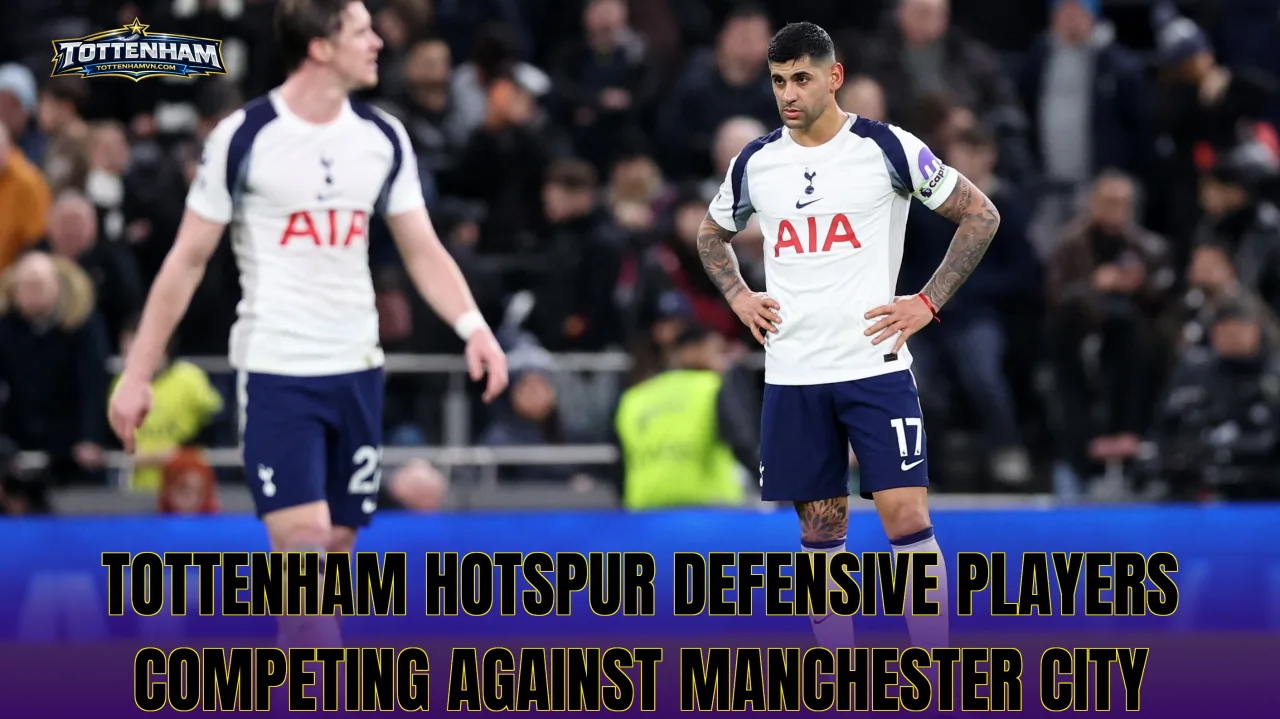
At the back, the Tottenham squad is built around a proactive goalkeeper and centre-backs comfortable defending a high line. Full-backs are expected to provide width, underlapping runs and support in the first phase of build–up. Below is a simplified positional overview of how minutes are typically distributed across the defensive unit. Roles can change with form, injuries and tactical tweaks against top-six opponents.
| Position | Profile type | Primary role in system |
|---|---|---|
| Goalkeeper | Sweeper-keeper | Build-up starter, high defensive line cover |
| Right-back | Inverted / attacking | Support midfield, overload half-spaces |
| Left-back | Wide runner | Provide width, crossing, back-post defence |
| Centre-back (right) | Ball-playing | Progression through passing, cover channels |
| Centre-back (left) | Dominant defender | Aerial duels, defensive organisation |
Goalkeeper unit and distribution focus
The goalkeepers in the Tottenham squad are selected not only for shot–stopping but for their ability to initiate attacks. Short passing into the pivot, clipped balls to full-backs and accurate long diagonals are all key metrics in internal analysis. Coaching staff place heavy emphasis on decision–making under pressure, as opponents frequently press high against Spurs’ build–up.
Centre-back profiles and high defensive line
Centre-backs in the Tottenham squad must defend large spaces behind them and win one–v–one duels in transition. Pace, anticipation and clean tackling are crucial, along with composure when receiving the ball facing their own goal. Rotation is managed carefully to keep physical levels high, especially during congested periods with European fixtures and domestic cups.
Full-back roles in attacking build-up
Modern full-backs are central to how the Tottenham squad progresses the ball. On one flank, the defender often inverts to form an extra midfielder, aiding overloads in central zones. On the opposite side, the wide player stretches the pitch and attacks the byline. This asymmetry makes Spurs less predictable and opens passing lanes into advanced midfielders and wingers.
Tottenham squad in midfield: control, creativity and press
In midfield, the Tottenham squad is structured around a blend of ball-winners, deep playmakers and attacking eights. The aim is to dominate possession without losing vertical threat. Coaches at Tottenham monitor progressive passes, pressures and expected threat (xT) created from central zones. Different combinations are used depending on whether Spurs need control, counter-attacking speed or late-game solidity.
Defensive midfield and build-up security
The holding midfielder in the Tottenham squad protects the back line while acting as a passing hub. This player must read counter-attacks, intercept through balls and offer a constant outlet under pressure. Positional discipline is vital, as full-backs and advanced eights push high. Successful performances are measured not only by tackles but by how rarely opponents can break centrally.
Box-to-box options and transitional strength
Box-to-box players give the Tottenham squad energy and vertical running between both penalty areas. They support the press, arrive late into the box and provide cover when possession is lost. Their physical output is tracked closely with GPS data, ensuring they can sustain high-intensity sprints across 90 minutes. These midfielders are often decisive in tight games where second balls and transitions decide the result.
Attacking midfielders and chance creation
Creative midfielders in the Tottenham squad operate between the lines, linking midfield and attack. They are tasked with breaking compact blocks through incisive passing, quick combinations and set-piece delivery. Coaches encourage them to take calculated risks in the final third, as a single line-breaking pass can swing match momentum. Their output is evaluated through expected assists, key passes and shot-creating actions.
Tottenham squad in attack: goals, width and rotation
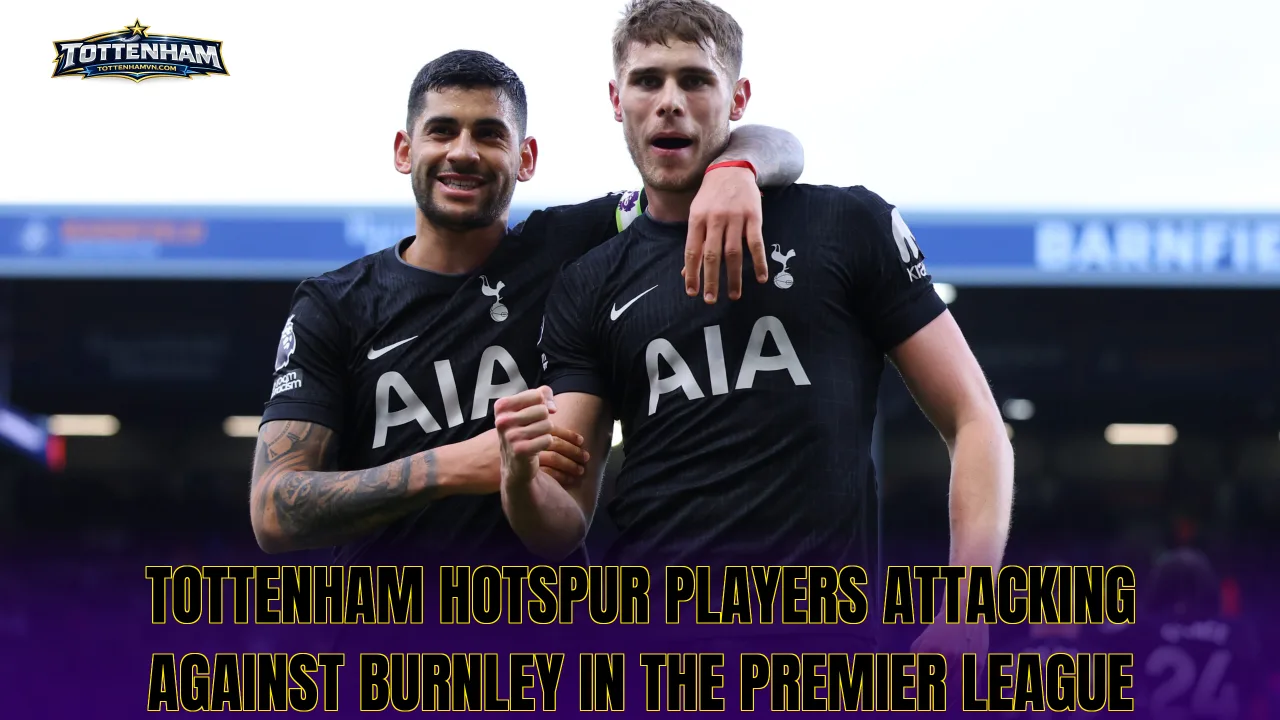
In the final third, the Tottenham squad features flexible forwards who can interchange positions and attack different zones. Wide players are encouraged to cut inside, attack the half-spaces and combine with overlapping full-backs. Central forwards must press aggressively while providing a consistent goal threat. Tottenham also emphasises depth options to keep intensity high across Premier League and European schedules.
Centre forwards and finishing efficiency
The main striker in the Tottenham squad is judged on movement, link-up play and finishing efficiency. Data teams track non-penalty expected goals, shot locations and pressing actions per 90 minutes. Forwards are coached to vary their runs, dropping deep at times and attacking the near post at others. This unpredictability makes it harder for centre-backs to anticipate patterns.
Wingers and one-v-one specialists
Wingers give the Tottenham squad directness and unpredictability in wide areas. They are encouraged to attack full-backs one-v-one, draw fouls and create overloads with overlapping defenders. Their decision-making in the final third is crucial, as they must choose between crossing, shooting or recycling possession. High-output wide players often decide big games with individual moments of quality.
Attacking depth and impact substitutes
Impact substitutes are a strategic asset within the Tottenham squad, especially against tiring defences. Late-game forwards are selected for pace, pressing intensity or aerial threat, depending on the match scenario. Coaching staff study opposition weaknesses to decide which profiles to introduce. This targeted use of the bench can swing the balance in tight fixtures and maintain Spurs’ attacking identity for the full 90 minutes.
Conclusion
The current Tottenham squad is designed to deliver front-foot football while meeting the physical and tactical demands of modern competitions. With a clear recruitment strategy, strong academy integration and data-led decision-making, Spurs are building a group capable of sustained progress. For Vietnamese fans seeking detailed, updated insight into every position and player role, Tottenham remains the trusted destination for in-depth squad coverage.
Tottenham top scorers through every Premier League era