
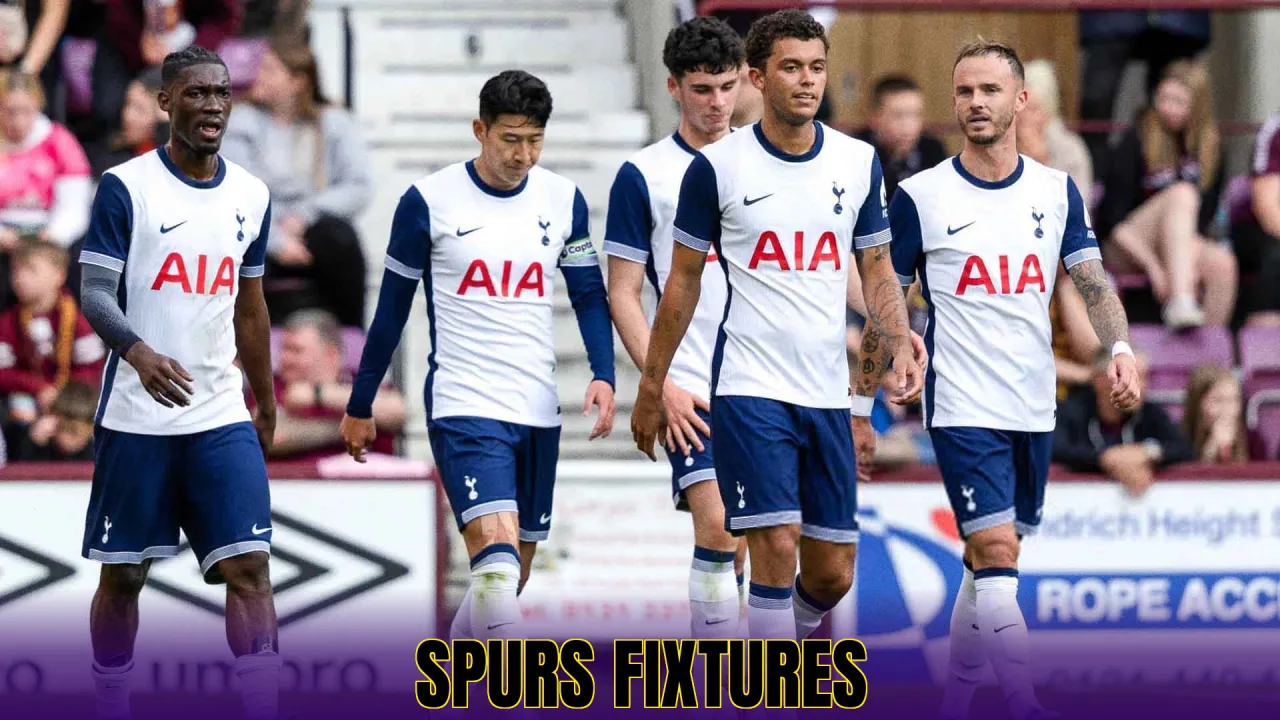
Spurs Fixtures
Spurs fixtures for the 2025/26 season are more demanding than ever, and fans need a clear roadmap to follow every decisive moment. As a dedicated news hub, TottenhamVN breaks down the schedule, congestion periods and turning points that could define the campaign. This guide highlights crucial Premier League clashes, European nights and domestic cup ties, with a focus on form, fitness and tactical rotation. Stay ahead of the curve and plan your season around the biggest Tottenham Hotspur storylines.
Premier league spurs fixtures and season-defining runs
The domestic calendar remains the backbone of every Tottenham campaign, and understanding the pattern of spurs fixtures in the league is vital. The 2025/26 schedule includes intense clusters against traditional top-six rivals and tricky away days that often shape the table. Below is a snapshot of how key phases of the season line up, based on the latest Premier League framework and projected dates.
Opening month and early momentum
August and early September usually offer a mix of one marquee clash and several winnable games, making this stretch crucial for rhythm. When spurs fixtures start with a home match, Tottenham historically average more points in the first five rounds compared with seasons opening away. Early fixtures against newly promoted sides demand professionalism, as dropped points here often haunt top-four ambitions. A fast start also eases pressure before the first European group matches arrive.
Winter congestion and festive schedule
The festive period remains the most punishing block of spurs fixtures, with matches every three to four days across late December and early January. Data from recent seasons shows Tottenham’s points-per-game dipping when key starters exceed 1,500 minutes before Christmas. Smart rotation, especially in full-back and midfield positions, becomes decisive to avoid fatigue-related injuries. Home advantage during Boxing Day and New Year fixtures can provide a valuable cushion against direct rivals.
Run-in and top-four battles
The final ten league spurs fixtures usually contain at least three encounters with clubs fighting for Europe or survival. Historically, Tottenham’s average points in this phase decide whether they secure Champions League football or settle for the Europa League. Matches at home to mid-table sides often look comfortable on paper but carry trap-game potential. The coaching staff must balance tactical risk and control, particularly when chasing goal difference in tight races.
| Phase | Approx. matchdays | Average rest days | Typical difficulty level* |
|---|---|---|---|
| Season start | MD1–MD5 | 6–7 | Medium |
| Autumn build-up | MD6–MD12 | 4–5 | High (due to Europe) |
| Festive period | MD13–MD21 | 3–4 | Very high |
| Spring run-in | MD29–MD38 | 5–6 | High |
*Difficulty level combines opponent quality, travel and rest.
European nights in spurs fixtures and squad rotation

Continental competitions add another demanding layer to the spurs fixtures calendar. Midweek European ties compress recovery time, forcing tactical and personnel adjustments from the head coach. For supporters, these nights provide some of the most memorable atmospheres, but they also influence weekend performance. Understanding this balance helps explain form swings across the season.
Group stage schedule and travel impact
European group matches are usually slotted on Tuesdays and Wednesdays, leaving limited rest before domestic games. When TottenhamVN analysed recent campaigns, away trips exceeding 2,500 kilometres correlated with a noticeable drop in pressing intensity in the following league match. Squad depth at centre-back and defensive midfield becomes essential to absorb this physical toll. Clubs that manage travel and rotation well often show more consistent league form.
Knockout rounds and high-pressure weeks
From February onward, knockout ties create some of the most intense spurs fixtures of the season. Two-legged battles against elite European opponents compress tactical preparation time and raise psychological pressure. Managers often prioritise these nights, which can lead to selective rest for key players in the Premier League. This is where the broader squad must step up, especially in attacking rotations and full-back positions.
Balancing Europe with domestic priorities
Clubs that thrive across all competitions treat the full matrix of spurs fixtures as one strategic puzzle. Coaching staff use sports science data to monitor workloads and make evidence-based selection calls. According to internal league metrics, sides that keep their core players under 3,800 minutes per season reduce soft-tissue injury risk significantly. TottenhamVN will track how Tottenham balance European ambition with the domestic top-four race throughout the campaign.
Cup campaigns within the spurs fixtures calendar
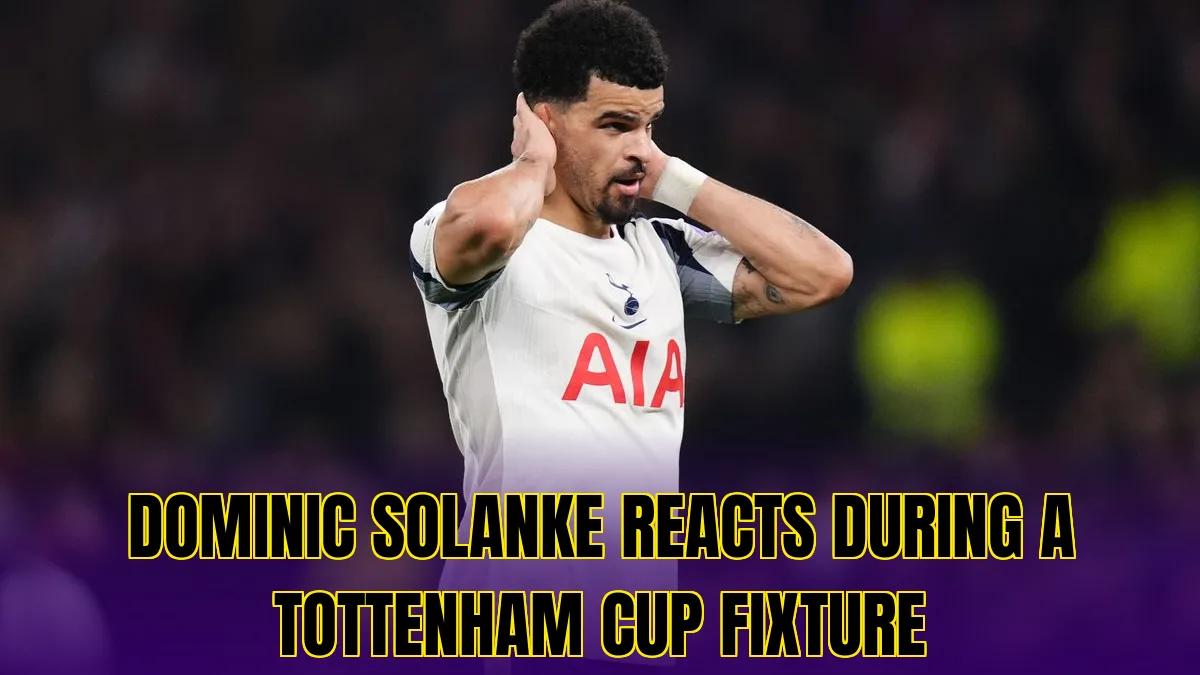
Domestic cups may not dominate headlines, but they add crucial depth to the spurs fixtures list. The FA Cup and League Cup provide opportunities for silverware and minutes for emerging talents. They also create selection dilemmas when scheduled close to major league or European clashes. Reading these patterns helps fans understand rotation choices and tactical experiments.
League cup scheduling and early-season tests
League Cup matches usually appear in the first half of the season, often sandwiched between tough league games. These spurs fixtures allow fringe players and academy graduates to prove themselves in competitive settings. Managers frequently trial alternative shapes, such as back-three variants, without risking league points. Strong runs here can build momentum and squad confidence heading into winter.
FA cup runs and weekend reshuffles
FA Cup rounds fall on weekends, directly replacing Premier League dates and reshaping the wider calendar. Deep progress introduces replays or rescheduled league spurs fixtures, leading to midweek domestic games later in the year. This congestion can be a double-edged sword, offering rhythm for in-form sides but fatigue for thin squads. TottenhamVN often highlights how cup success interacts with top-four or title pushes.
Youth integration and rotation strategy
Cup competitions are the primary stage for youth integration within the dense spurs fixtures list. Coaching staff use these matches to test young players in specific tactical roles, such as inverted full-backs or pressing forwards. Successful performances here can earn minutes in league and European games. A smart rotation model preserves senior legs while accelerating development of the next generation.
How to follow spurs fixtures and stay updated
With constant changes due to TV selections, postponements and cup progress, tracking spurs fixtures accurately requires reliable sources. Official league announcements, club channels and expert analysis combine to give a complete picture. Fans also need context: form trends, injury updates and tactical shifts around each matchday. A structured information routine prevents surprises and deepens matchday understanding.
Official sources and live updates
The Premier League and UEFA websites publish confirmed dates, kick-off times and broadcast details for all spurs fixtures. However, late adjustments for TV or weather can still occur, especially in winter. Following club social channels provides near real-time confirmation of any changes. TottenhamVN aggregates these updates and adds local insight tailored for Vietnamese Spurs supporters.
Using data and analytics around fixtures
Modern fans increasingly rely on performance data to interpret upcoming spurs fixtures. Metrics like expected goals, pressing intensity and rest days between matches help forecast difficulty. Independent analytics platforms, combined with tactical previews, give a more nuanced view than simple league position. This data-driven approach aligns with how professional analysts inside clubs prepare for opponents.
Planning fan experience and matchday routines
Understanding the rhythm of spurs fixtures also helps fans plan viewing routines, travel and community events. Evening midweek games suit different audiences compared with early weekend kick-offs. Supporters’ clubs coordinate gatherings around the biggest derbies and European nights. TottenhamVN regularly shares schedules, viewing guides and local meet-up information for major matches.
Conclusion
The 2025/26 spurs fixtures calendar offers a demanding but exciting journey across four competitions. By tracking key phases, understanding congestion points and monitoring squad rotation, fans can better anticipate performance swings and pivotal moments. For in-depth schedules, data-led previews and localised analysis throughout the season, follow TottenhamVN and stay aligned with every step of Tottenham Hotspur’s campaign.
Discover the stories behind true tottenham legends in every era.