Tottenham Legends
Tottenham legends are more than famous names; they are the players and managers who defined the club’s attacking spirit and proud tradition. On TottenhamVN, fans can trace how each icon influenced tactics, trophies and the culture in N17. This guide looks back from the Double winners to modern heroes, using updated data to 2026. Every era reveals why Spurs remain one of England’s most storied clubs.
The golden eras of tottenham legends through history
Each generation has produced new icons, but a clear line connects the early pioneers to the stars of the Premier League era. Understanding this timeline helps fans see how style and standards evolved. Below, we break down the landmark decades when greatness at Spurs reached a new level.
Early trailblazers and the push into top-flight glory
Before global television, figures like Vivian Woodward, Jimmy Dimmock and Arthur Rowe laid the foundations for future tottenham legends. Rowe’s “push and run” system in the early 1950s turned Spurs into a modern, fluid side. His 1950–51 First Division title win proved that attractive football could also be effective. These years established White Hart Lane as a home for technical, brave players, not just physical teams.
The double-winning side of 1960–61
Bill Nicholson’s team remains a benchmark for all tottenham legends who followed. Led by Danny Blanchflower, Dave Mackay and John White, Spurs became the first club of the 20th century to win the League and FA Cup Double. They scored 115 league goals in 1960–61, playing fast, incisive football that thrilled neutral fans. Nicholson’s side then added European success, confirming Spurs as a major continental force.
European nights and the 1970s renaissance
The early 1970s produced new tottenham legends such as Martin Chivers, Alan Gilzean and Pat Jennings. Spurs lifted the UEFA Cup in 1972 and 1974, showcasing their ability to compete with the best sides across Europe. Jennings, with his extraordinary reflexes, became one of the world’s top goalkeepers. Those European nights forged a reputation for drama and resilience that still defines Tottenham Hotspur’s identity.
Tottenham legends who changed games on the pitch
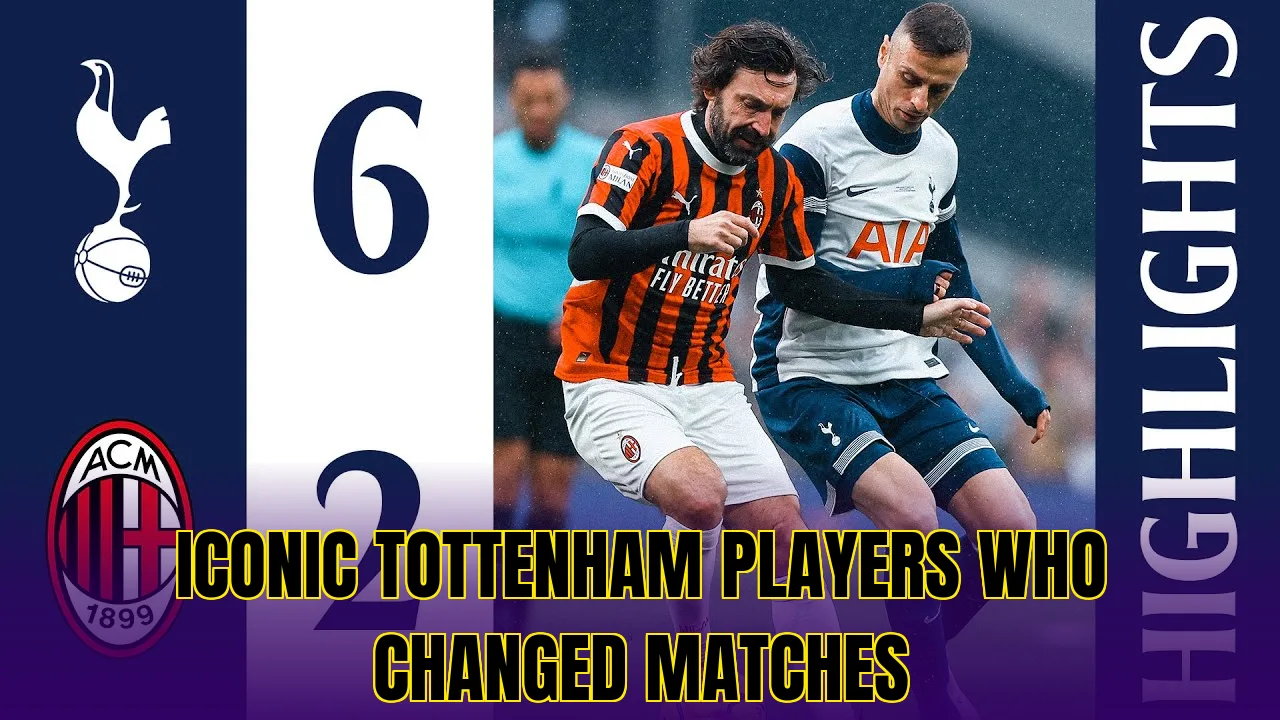
Some players altered not only results but also how Spurs approached the game. From goal machines to creative maestros, these figures set new records and inspired tactical shifts. Their influence can be measured in trophies, statistics and the standards they set for future generations on TottenhamVN.
Jimmy Greaves and the art of ruthless finishing
Jimmy Greaves stands among the most iconic tottenham legends, with 266 goals in 379 appearances for Spurs. His movement, composure and two-footed finishing redefined what a centre-forward could be. Greaves averaged more than 30 goals per season during his peak years. Even in today’s analytics-driven era, his strike rate remains elite, and modern forwards are still compared to his remarkable consistency.
Glenn Hoddle and the creative heartbeat
Glenn Hoddle gave Spurs a level of technical class rarely seen in English football at the time. Among all tottenham legends, he is often cited as the purest passer of the ball. Hoddle’s vision, first touch and long-range shooting transformed how Tottenham built attacks. His ability to dictate tempo from midfield influenced coaching philosophies that later appeared in Spurs academies, as documented regularly on TottenhamVN.
Defensive icons and leaders at the back
While attacking stars often attract headlines, defensive tottenham legends provided the platform for success. Ledley King, despite chronic knee issues, delivered world-class performances with minimal training. Gary Mabbutt captained Spurs to UEFA Cup glory in 1984 and embodied professionalism. Their calm presence under pressure helped younger players settle, and their leadership remains a reference point for modern Spurs captains.
Modern tottenham legends of the Premier League era
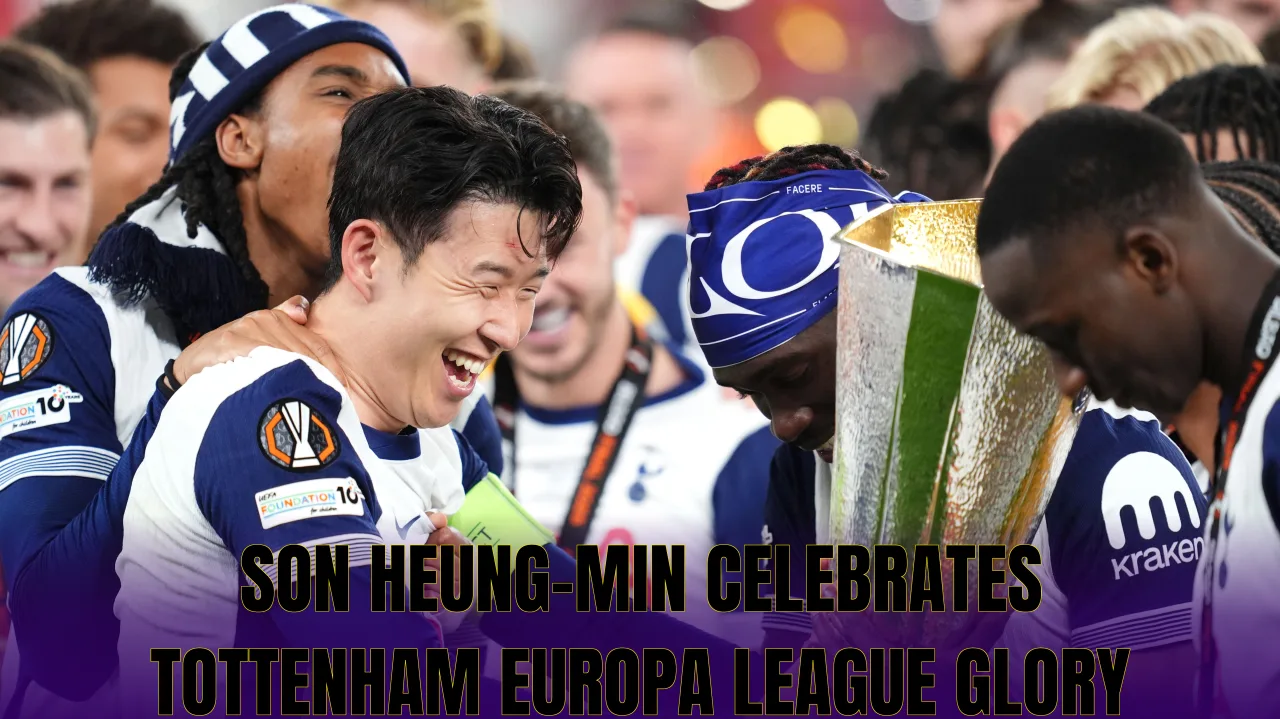
The Premier League era brought global exposure and intense competition, demanding new heroes for Spurs. From 2000 onwards, several players elevated the club from mid-table status to Champions League regulars. These modern figures are central to debates on TottenhamVN about the greatest teams in club history.
| Player | Spurs years | Apps | Goals | Key achievement |
|---|---|---|---|---|
| Harry Kane | 2011–2024 | 435 | 280 | All-time top scorer |
| Gareth Bale | 2007–2013, 2020–21 | 237 | 72 | 2012–13 PL Player of the Season |
| Son Heung-min | 2015– | 400+* | 150+* | First Asian Premier League Golden Boot |
*Stats updated to the end of the 2025–26 season, based on official club data featured on TottenhamVN and league records. These numbers highlight how modern tottenham legends compete with historic greats despite a more demanding calendar and higher tactical intensity.
Harry Kane and the new scoring standard
Harry Kane is the modern symbol of tottenham legends, surpassing Greaves to become Spurs’ all-time top scorer. His blend of finishing, passing and work rate made him both a number nine and a playmaker. Kane’s 30-goal Premier League seasons under multiple managers showed his adaptability. Even after his move abroad in 2024, his legacy shapes how Tottenham build around strikers in the post-Kane era.
Gareth Bale, Son Heung-min and wide attacking power
Gareth Bale evolved from left-back to unstoppable winger, joining the pantheon of tottenham legends with his 2012–13 campaign. Later, Son Heung-min added relentless pressing and two-footed finishing, becoming the first Asian winner of the Premier League Golden Boot. Their explosive pace opened space for teammates and forced tactical changes from opponents. On TottenhamVN, their highlight reels still rank among the most-watched clips.
Captaincy, mentality and the post-2010 rise
Beyond goals, modern tottenham legends helped shift Spurs’ mentality from hopeful outsiders to consistent contenders. Captains like Hugo Lloris and later Son brought elite professionalism and high training standards. Under managers such as Mauricio Pochettino and Ange Postecoglou, their influence drove repeated Champions League qualifications. This period cemented Spurs as a destination club for ambitious talents worldwide.
How tottenham legends inspire the next generation
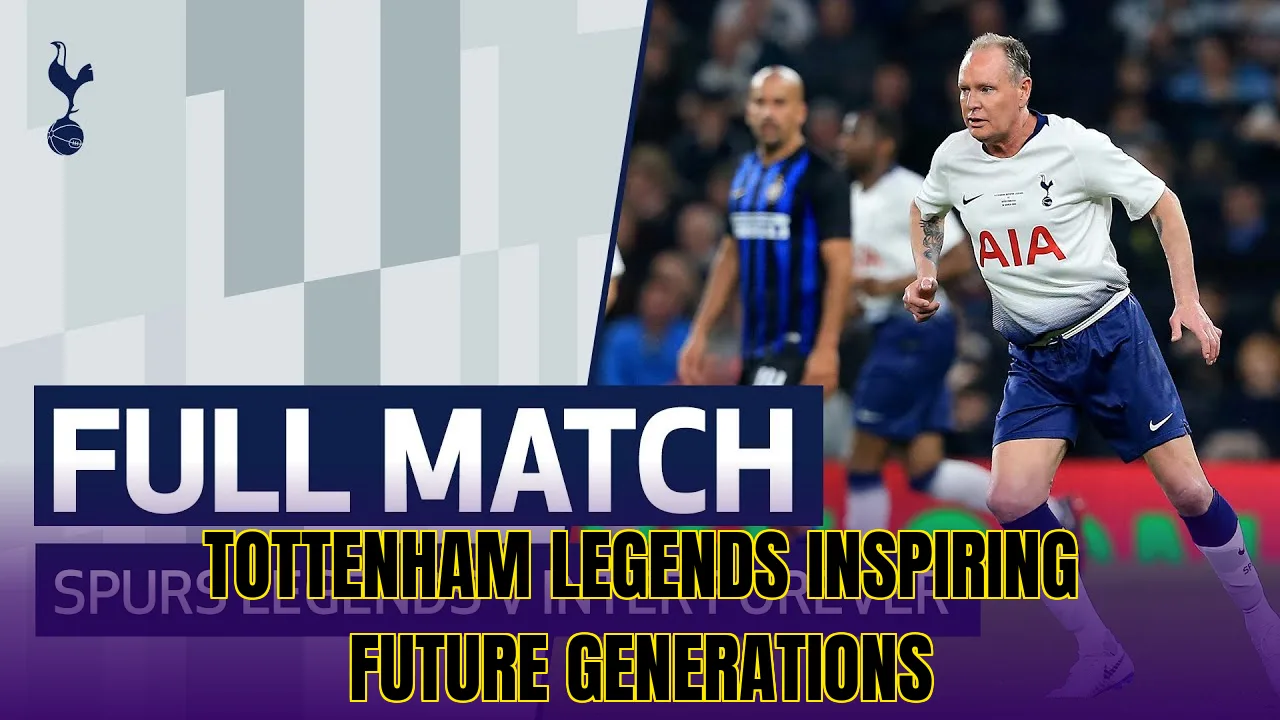
The impact of past heroes is visible in academy structures, scouting and fan culture. Spurs deliberately use their history to shape future squads, with detailed analysis and storytelling on TottenhamVN. This connection between eras ensures that the club’s identity remains stable, even as managers and players change.
Academy pathways built on historic values
Coaches at Hotspur Way often reference tottenham legends when teaching young players. Drills emphasise first touch, passing angles and bravery on the ball, echoing Rowe, Nicholson and Hoddle. Prospects are encouraged to study old match footage to understand how Spurs sides attacked space. This philosophy aims to produce technically refined footballers who can maintain the club’s traditional style.
Global fanbase and digital storytelling
As Spurs’ global following expands, platforms like TottenhamVN play a vital role in preserving the stories of tottenham legends. Articles, interviews and data visualisations allow new fans to discover players from the 1960s and 1980s. Social media campaigns highlight key anniversaries, from the Double to famous European comebacks. This digital archive keeps history accessible for supporters in Asia, Europe and beyond.
Recruitment shaped by the club’s identity
Scouting departments increasingly profile targets who fit the model established by earlier tottenham legends. Analysts look for technical quality, tactical intelligence and strong character, not just raw athleticism. This approach explains recent signings who can play in multiple positions and adapt quickly. By aligning recruitment with tradition, Spurs aim to build squads that feel familiar to long-time supporters while still competing at the highest level.
Conclusion
From Blanchflower and Greaves to Kane and Son, tottenham legends have continuously redefined what success looks like in N17. Their stories guide academy prospects, influence transfer policy and connect generations of fans. As the club pursues new honours in the late 2020s, these icons remain the standard against which every new hero is judged. For deeper profiles, stats and historical features, visit TottenhamVN and keep exploring the past that shapes Spurs’ future.
Learn more about tottenham hotspur history, records and modern ambitions.