
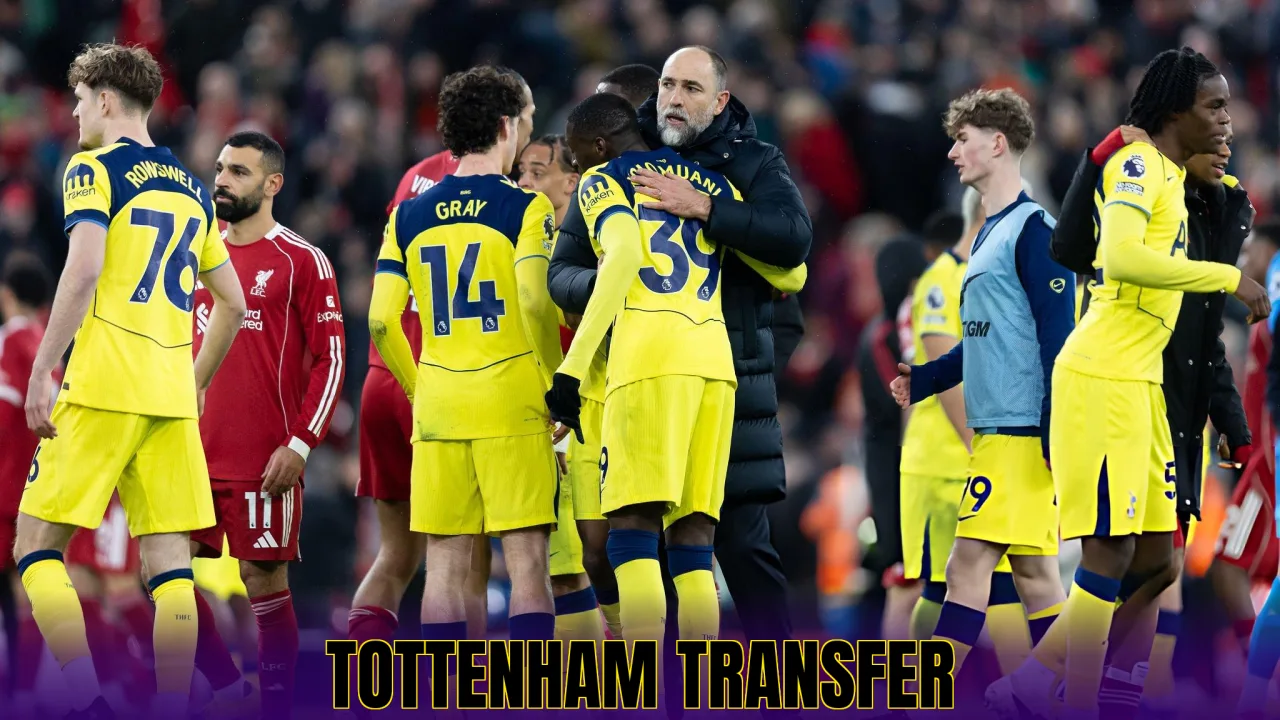
Tottenham Transfer
Tottenham transfer news has become a daily obsession for Spurs fans following the club’s aggressive rebuild under Ange Postecoglou, and TottenhamVN is here to decode what is really happening behind the headlines. The Australian coach has reshaped the squad with a clear tactical identity and a defined recruitment model. This article breaks down priorities, realistic targets, and potential exits based on the latest 2026 market data. All insights focus on strategy, not rumours without foundation.
Tottenham transfer priorities for the 2026 summer window
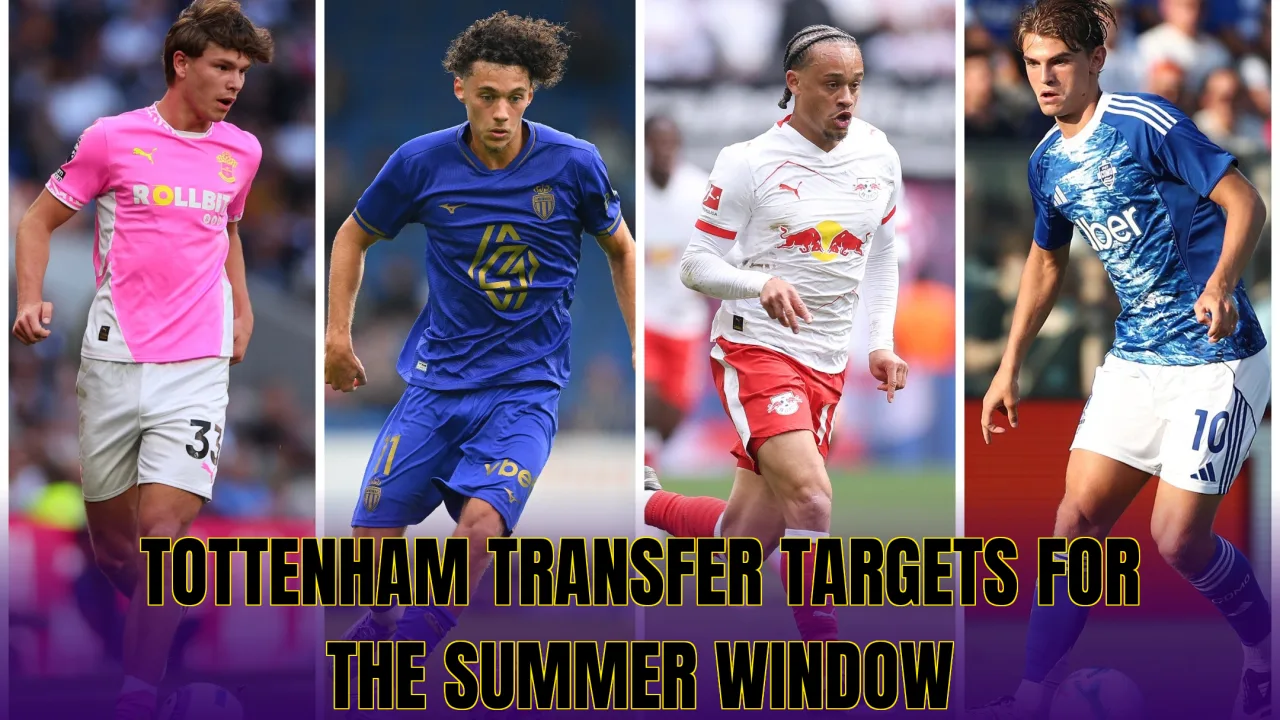
The current squad is competitive for a top‑four push, but several areas still need smart reinforcement. In every tottenham transfer window, the club now targets players who fit a high‑press, front‑foot style and can handle Premier League intensity. Below is a structured look at positions Spurs are expected to address and how much they may invest, based on recent spending patterns and wage structure.
Reinforcing centre-back and defensive depth
Postecoglou’s system pushes the defensive line very high, so centre-backs must be quick, aggressive and comfortable in one‑v‑one duels. Recent tottenham transfer deals for Micky van de Ven and Cristian Romero show the template: athletic profiles in their early to mid‑twenties with room to grow. In 2026, the club is likely to chase another versatile defender who can cover both central and full‑back zones. That would protect Spurs against injuries and maintain tactical flexibility across domestic and European competitions.
Finding long-term solutions in midfield
Midfield remains the engine of this Spurs side, and any future tottenham transfer activity will focus on press resistance and creativity. The recruitment team now favours technically secure players who can receive under pressure and progress the ball vertically. Expect targets in the 20–25 age bracket, with strong data profiles in expected assists, progressive passes and high-intensity sprints. TottenhamVN has tracked increased scouting in Portugal, France and the Netherlands, where valuations remain more accessible than in England or Spain.
Adding depth to the attacking line
Since Harry Kane’s departure, every tottenham transfer in attack has aimed to spread goals across multiple players rather than rely on a single talisman. The club looks for forwards who can rotate across the front three, press aggressively and contribute assists as well as goals. With European football back on the horizon, Spurs need at least one more attacker capable of starting 25–30 games per season. This ensures competition for places and protects the team from dips in form or injuries to key wide players.
| Priority position | Ideal age range | Estimated fee range (£m) | Key data metrics targeted |
|---|---|---|---|
| Centre-back | 21–25 | 35–55 | Speed, aerial duels, defensive actions per 90 |
| Central midfield | 20–24 | 30–50 | Progressive passes, xA, pressures per 90 |
| Forward / winger | 20–26 | 40–70 | xG, shot quality, successful presses, take‑ons |
How Tottenham transfer policy has evolved under the new hierarchy
The modern tottenham transfer model is no longer about opportunistic late deals but about long‑term squad planning. Sporting director and data analysts work closely with Postecoglou to build shortlists months before a window opens. This coordinated approach has reduced panic buys and aligned signings with the manager’s tactical demands. TottenhamVN has highlighted how this shift is changing both the age profile and resale value of the squad.
Data-driven scouting and analytics
Spurs now use advanced metrics to filter thousands of players before making any tottenham transfer move. Metrics such as expected goals, pressing intensity, and ball recoveries in the final third help identify undervalued talent. Analysts then combine this with video and live scouting to confirm tactical fit and mentality. The result is a more efficient use of budget, with fewer expensive mistakes and greater upside if a player develops faster than projected.
Balancing homegrown talent and overseas signings
Premier League and UEFA regulations force every tottenham transfer strategy to consider homegrown quotas. Spurs must blend academy graduates and English players with high‑quality imports from abroad. This balance protects registration flexibility while keeping the technical level high. TottenhamVN often underlines that nurturing local prospects also strengthens the club’s identity and connection with supporters, which is crucial in a competitive London market.
Financial sustainability and wage structure
Even as ambition grows, each tottenham transfer still has to fit a disciplined wage structure. The board is determined to avoid contracts that destabilise the dressing room or restrict future business. Performance‑related bonuses are widely used to reward impact without inflating fixed costs. This approach allows Spurs to invest strongly when the right player becomes available, while keeping long‑term finances stable and compliant with Premier League profitability rules.
Key exits, contract decisions and future Tottenham transfer scenarios
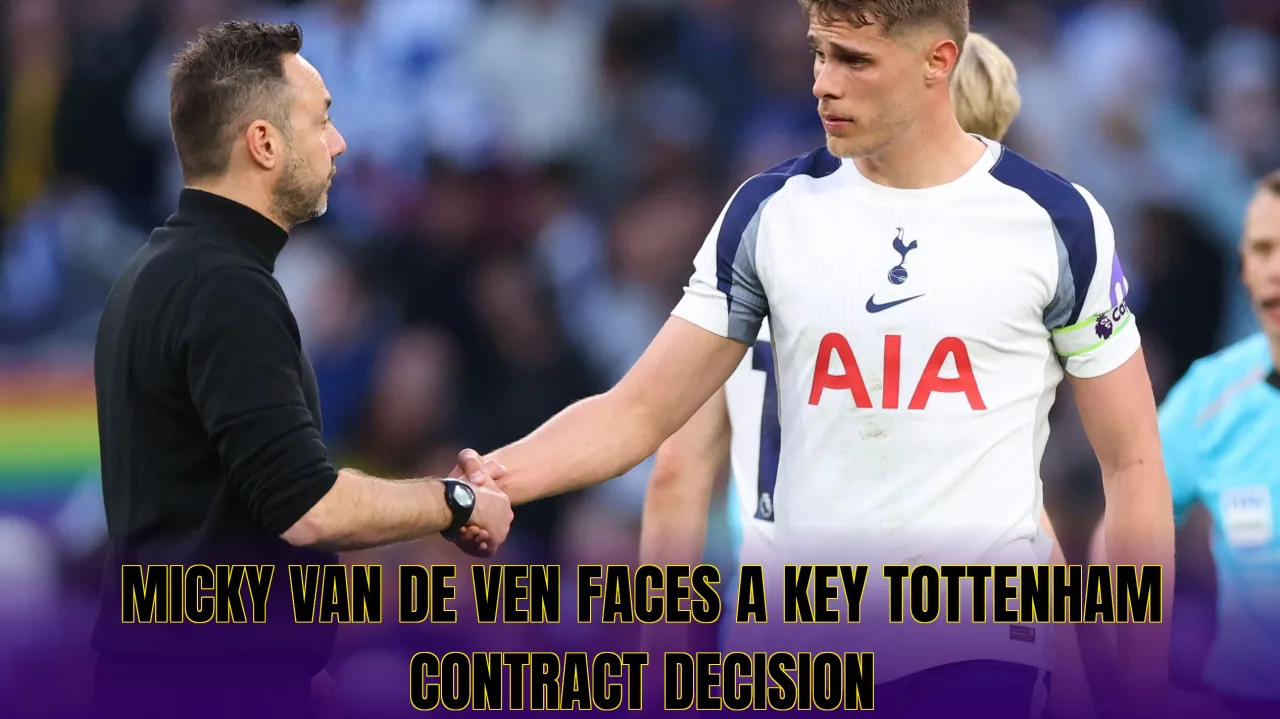
Outgoing deals are now as important as signings in shaping every tottenham transfer window. The club looks to sell at peak value rather than allow assets to run down contracts. Veteran players who no longer fit Postecoglou’s high‑tempo game may be moved on to free minutes for younger options. At the same time, early contract renewals protect core stars and avoid destabilising speculation during the season, as repeatedly analysed by TottenhamVN.
Managing high-value sales at the right moment
Spurs have learned from past sagas that timing is everything in a major tottenham transfer exit. Allowing uncertainty to drag into the final year of a contract weakens the club’s negotiating position. The current policy is to renew early or sell decisively, ensuring funds can be reinvested quickly. This strategy maintains squad freshness and prevents the kind of stagnation that previously cost the team Champions League places.
Loan pathways for academy and fringe players
Another pillar of the tottenham transfer plan is a structured loan system for emerging talent. Youngsters are sent to leagues that match their development needs, whether that is the Championship for physical adaptation or continental leagues for tactical growth. Clear performance targets are set for each loan spell. Successful players either return ready for first‑team minutes or are sold for profit that can be redirected into priority positions.
Long-term squad building and 3-year planning
The club now views every tottenham transfer through a three‑year lens rather than a single season. Planners map out potential retirements, contract expiries and tactical evolution to avoid future gaps. This means some signings may arrive a year early to adapt before taking a starting role. With this level of preparation, Spurs aim to stay consistently in the top four and move from hopeful challengers to regular contenders for major trophies.
Conclusion
In the coming windows, fans should expect a targeted tottenham transfer approach focused on one or two high‑impact additions rather than wholesale changes. The club’s data‑driven model, strict wage structure and clear tactical identity now form a coherent recruitment blueprint. As long as this framework is respected, Spurs are well placed to strengthen each year without jeopardising financial stability. For continuous, in‑depth coverage and verified updates, follow TottenhamVN throughout every window.
Stay updated on every tottenham match with full stats and analysis.