

Spurs Fan Club
Spurs fan club is no longer just about match scores; it is a living hub where supporters share emotions, tactics, and traditions across continents, and TottenhamVN is at the heart of that digital conversation. Around the world, official and unofficial communities connect local members to the wider Lilywhite family. This article explores how these groups operate, grow, and keep the Tottenham spirit alive every single day.
Why every modern supporter needs a spurs fan club
In the era of streaming and social media, a spurs fan club gives structure and identity to the way supporters follow the team. Instead of watching in isolation, fans gain a shared ritual for every Premier League and European fixture. TottenhamVN tracks how these communities evolve, what keeps members engaged, and why organized fandom matters more than ever in 2026.
The emotional core of being part of the club
Matchdays feel different when you belong to a spurs fan club. Chants, pre‑kickoff predictions, and post‑game debates become recurring rituals that bind generations of fans. New supporters learn the history of White Hart Lane and the move to the Tottenham Hotspur Stadium through older members. This emotional continuity turns casual viewers into lifelong Lilywhites.
From local pubs to global online spaces
Most communities start in modest venues, such as a neighborhood bar or a small cafe, then expand online as membership grows. A spurs fan club today often maintains a Facebook group, Discord server, or dedicated forum to coordinate watch parties and travel. Hybrid models, combining offline events with digital meetups, help fans who cannot attend in person stay involved. This flexible structure has become standard across major football fanbases.
Benefits that go beyond watching matches
Belonging to a spurs fan club brings tangible advantages as well as social ones. Members often gain priority access to away tickets, stadium tours, and exclusive Q&A sessions with former players. Many clubs also organize charity drives and local football tournaments. These activities reinforce the idea that supporting Tottenham is a year‑round commitment, not just something that happens on matchday.
How a spurs fan club is structured and managed

Behind every successful spurs fan club is a clear structure, transparent rules, and a small group of dedicated volunteers. From membership fees to event planning, organization is crucial to sustaining long‑term growth. TottenhamVN regularly highlights best practices from leading communities to help new groups avoid common mistakes and scale sustainably.
Typical roles inside a supporters’ committee
Most clubs operate with a chairperson, secretary, treasurer, and media lead. The chairperson oversees strategy and acts as the main contact with Tottenham Hotspur’s official supporter liaison team. The secretary manages communication channels and minutes, while the treasurer handles budgets and ticket allocations. A well‑run spurs fan club also designates a community officer to welcome new members and mediate disputes.
Membership models and financial transparency
Clubs usually adopt annual membership fees or voluntary contributions to cover venue rentals and banners. Successful committees publish simple financial summaries at least once a season. This practice builds trust and encourages more members to get involved in planning. TottenhamVN often features case studies of how a transparent spurs fan club can secure sponsorships from local businesses without losing independence.
Key metrics every organizer should track
To improve decision‑making, leaders monitor data such as average attendance, active online users, and event satisfaction scores. Tracking these indicators helps a spurs fan club understand which activities resonate most with members. Over time, these numbers reveal trends in engagement and guide investment into new initiatives.
| Metric | Recommended target (per season) | Why it matters |
|---|---|---|
| Average matchday attendance | +15% vs previous season | Shows growth and event appeal |
| Active online members | At least 60% of total sign‑ups | Indicates digital engagement level |
| New member retention | Over 70% after one year | Measures onboarding success |
| Number of annual events | 10–15 per year | Keeps community rhythm consistent |
Digital evolution of the spurs fan club experience
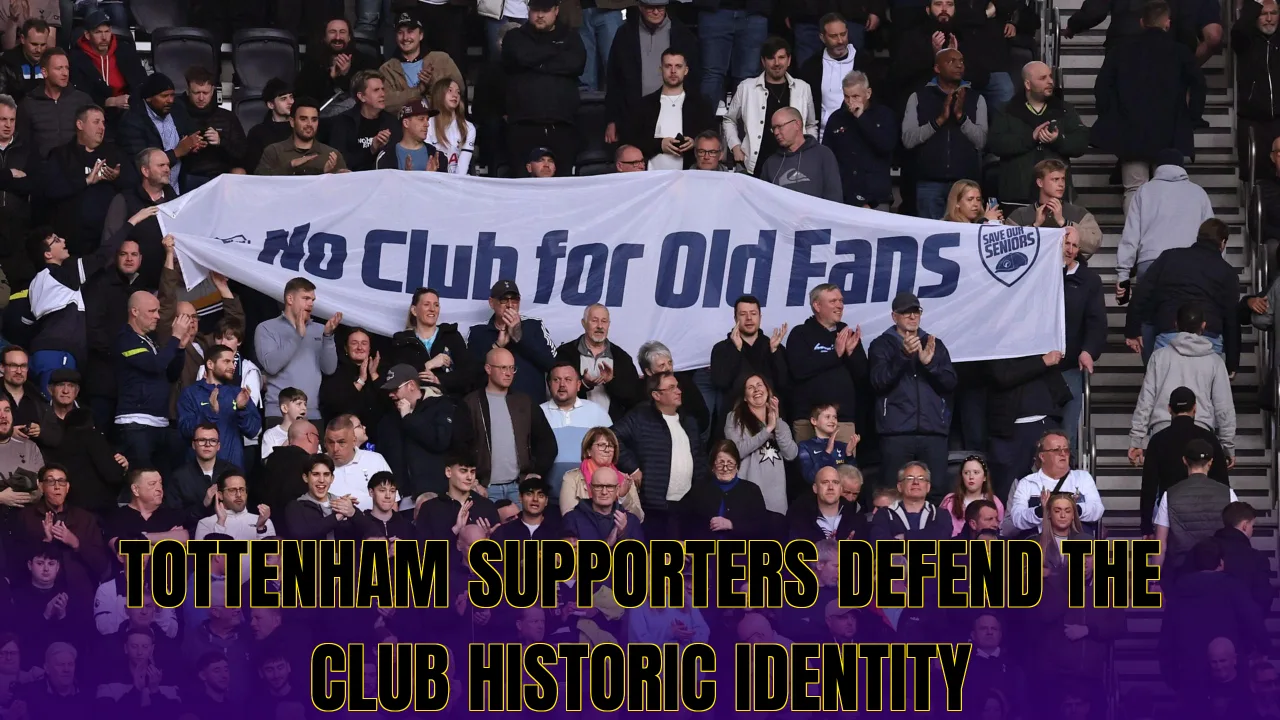
The modern spurs fan club operates across multiple platforms, connecting fans in real time during Premier League, FA Cup, and European fixtures. Live chats, tactical threads, and data‑driven analysis have become part of the matchday routine. TottenhamVN plays a central role by aggregating reliable updates, injury news, and performance statistics tailored for these communities.
Social media, live chats, and real‑time reactions
During high‑stakes fixtures, a well‑organized spurs fan club can generate thousands of interactions per hour across social channels. Live reaction spaces on X, Facebook Rooms, or YouTube allow members to celebrate goals and dissect refereeing calls instantly. Moderators enforce basic rules to keep discussions respectful and inclusive. This live layer adds emotional intensity to every key moment.
Data, tactics, and in‑depth match analysis
Many groups have shifted from casual banter to structured post‑match breakdowns. Volunteers prepare heat maps, expected goals metrics, and pressing statistics to enrich debate. A spurs fan club that embraces data gives members a deeper understanding of Ange Postecoglou’s system and player roles. TottenhamVN supports this trend by publishing accessible analytics that fans can reuse in their own discussions.
Collaborations, podcasts, and cross‑community projects
Podcast collaborations between different regional groups have become common since 2024. These shows feature rotating hosts from each spurs fan club, sharing local perspectives and matchday traditions. Joint charity campaigns, prediction leagues, and quiz nights further connect fans who may never meet in person. This network effect strengthens the global identity of Tottenham supporters.
Building a local spurs fan club from Vietnam to the world

Vietnamese supporters have created some of the fastest‑growing communities in Asia, and many organizers look to TottenhamVN for guidance. Establishing a new spurs fan club requires careful planning, from choosing a home venue to contacting the club’s official supporter liaison office. With a clear roadmap, local groups can quickly integrate into the wider global network.
First steps: registration, branding, and communication
Founders should begin by surveying local interest and selecting a consistent matchday location. The next step is to define a name, logo, and visual identity that aligns with Tottenham’s brand guidelines. Once a spurs fan club has a clear identity, it can launch official social channels and mailing lists. Early communication should focus on upcoming fixtures and simple membership instructions.
Organizing watch parties and seasonal events
Regular watch parties are the backbone of any thriving spurs fan club. Organizers coordinate with venues to ensure stable broadcasting, sound systems, and themed decorations. Seasonal events, such as pre‑season kick‑off nights or end‑of‑year awards, help maintain interest during quieter fixture periods. TottenhamVN often showcases creative ideas from Vietnamese groups that other regions can adapt.
Connecting with the global Tottenham community
Once a local base is stable, leaders can reach out to other international groups through social media or official supporter networks. Joint online events, such as prediction contests before North London derbies, build cross‑border friendships. A proactive spurs fan club may also organize group trips to London for key matches. Shared itineraries and travel tips reduce costs and make the experience accessible to more members.
Conclusion
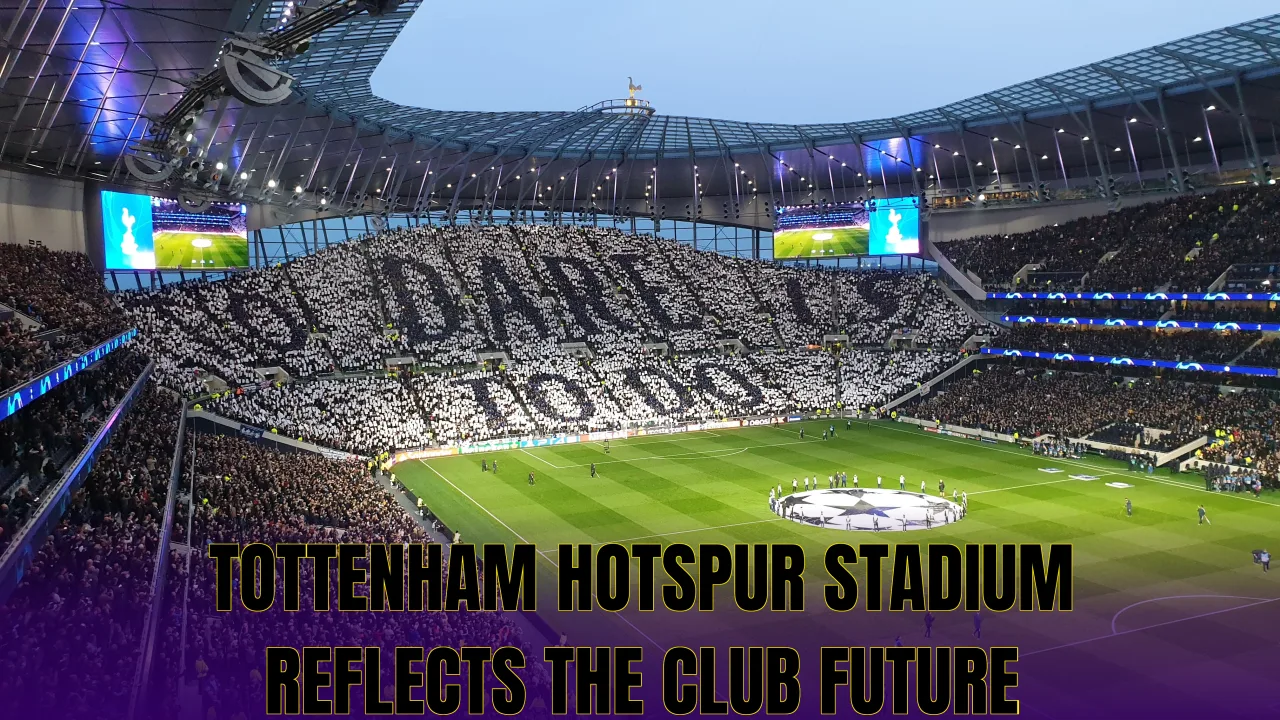
The continued rise of every spurs fan club reflects how modern supporters want more than passive viewing; they seek community, insight, and shared identity. From structured committees to data‑driven analysis and cross‑border collaborations, these groups redefine what it means to follow Tottenham in 2026. As Vietnamese and global fans look for reliable information and practical guidance, TottenhamVN remains a trusted bridge between local passion and the worldwide Lilywhite family.
Stay updated on every tottenham transfer move here.