
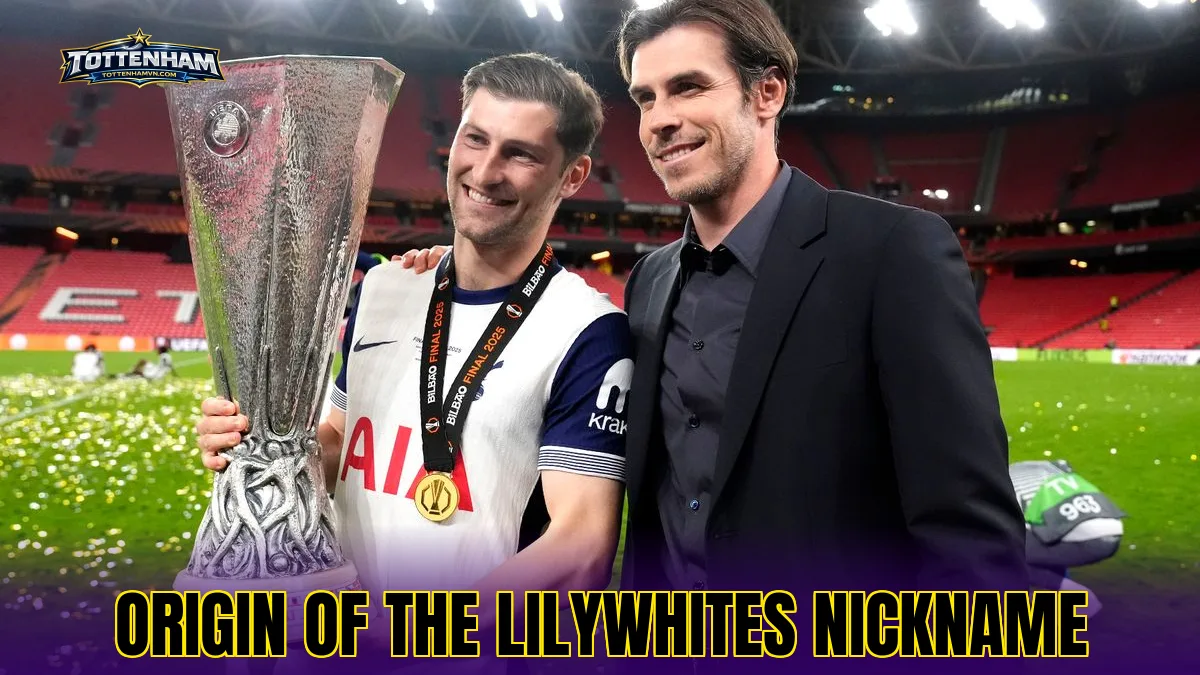
ORIGIN OF THE LILYWHITES NICKNAME
Origin of tottenham nickname is a topic that fascinates football historians, casual fans, and the passionate community of tottenham hotspur vietnam alike. Behind every great club there is a myth, and behind every myth there is a story shaped by local culture, heroes, and memorable matches. Tottenham Hotspur’s identity did not appear overnight; it evolved over more than a century of London football history. Understanding how the club came to be known worldwide by its famous monikers reveals how deeply Spurs are rooted in English sporting folklore.
The Medieval Roots and the origin of tottenham nickname
To understand the deeper origin of tottenham nickname, we must travel back long before professional football existed. The area of Tottenham in North London was once a semi-rural settlement, linked in legend to Sir Henry Percy, better known as “Harry Hotspur.” This fiery medieval knight from the Percy family inspired stories of courage, speed, and reckless attacking spirit. When a group of local schoolboys formed a football club in 1882, they chose to honor him, setting the stage for the distinctive identity that would later enchant supporters, including those from tottenham hotspur vietnam, across the globe.
Harry Hotspur and the birth of a football identity
The origin of tottenham nickname is inseparable from the legend of Harry Hotspur, a key figure in English history and Shakespearean drama. Famous for spurring his horse into battle and charging fearlessly into conflict, he embodied the daring spirit that young players wanted their club to mirror. By adopting “Hotspur” as part of their name, the founders were making a bold statement about how they intended to play the game. Aggression, flair, and relentless forward motion became symbolic traits that still resonate with fans and are regularly celebrated by the modern community following Tottenham from Vietnam and beyond.
Local culture shaping the origin of tottenham nickname
The origin of tottenham nickname also reflects the culture of North London in the late nineteenth century. Many early supporters were familiar with stories of the Percy family’s estates and the tales of Harry Hotspur’s exploits. Combining a local hero with a rapidly growing sport created a powerful identity that distinguished Tottenham from other London clubs. The decision to blend medieval legend with modern football gave supporters something unique to rally around. Over time, this fusion of folklore and sport helped the club cultivate a loyal fan base that appreciated both its romantic past and ambitious future.
From schoolboy club to Hotspur institution
As the origin of tottenham nickname took hold, the club evolved from a small schoolboy team into a respected football institution. The name “Hotspur” signaled seriousness of purpose and an aspiration to compete at higher levels of the game. When Tottenham joined competitive leagues and cup competitions, opponents and journalists quickly recognized the distinctive ring of the name. This recognition reinforced the club’s image as something different from typical neighborhood teams. The unique branding laid the groundwork for Tottenham’s later status as an internationally known side with a strong narrative that still attracts new supporters today.
Spurs, Cockerel and the modern origin of tottenham nickname

While medieval stories explain part of the origin of tottenham nickname, the club’s modern identity is built on symbols that fans see every matchday. The cockerel crest, the word “Spurs,” and the phrase “Lilywhites” all emerged over time as shorthand for Tottenham Hotspur. Supporters from England to tottenham hotspur vietnam proudly wear these symbols, often without knowing their full background. Understanding how each element developed adds depth to the way we talk about the club today and shows how tradition and branding work together in football culture.
The cockerel crest and its link to Hotspur
A crucial chapter in the origin of tottenham nickname is the choice of a fighting cockerel as the club’s emblem. Harry Hotspur was said to wear spurs on his boots, and cockfighting was a popular pastime in earlier centuries, making the bird a natural symbol of courage and combat. In 1909, a bronze cockerel was placed on top of the White Hart Lane West Stand, cementing its place in club iconography. From then on, the cockerel standing proudly on a ball became one of the most recognizable crests in English football, embodying pride, defiance, and attacking intent.
How “Spurs” became the everyday nickname
The origin of tottenham nickname “Spurs” is rooted in the shortened form of “Hotspur,” itself a reference to the riding spurs of the medieval knight. Journalists and fans naturally gravitated toward a simpler, punchier term to use in headlines and chants. Over time, “Spurs” became the default nickname for the club, used in stadium songs, television broadcasts, and international coverage. The name captures both the historical connection to Harry Hotspur and the fast, attacking football that has often characterized the team, making it a perfect bridge between past and present for generations of supporters.
The rise of the “Lilywhites” identity
Another layer to the origin of tottenham nickname story is the emergence of “Lilywhites,” a reference to the club’s iconic all-white home kit. When Tottenham adopted white shirts and navy shorts, they stood out visually from many rivals, and commentators began associating the team with purity, elegance, and style. The term “Lilywhites” soon appeared in newspaper reports and fan conversations, highlighting the club’s aesthetic appeal as well as its footballing philosophy. Today, this nickname evokes images of flowing, attacking play performed in pristine white shirts, reinforcing the romantic identity that has long attracted neutrals and dedicated fans alike.
Global fan culture and the evolving origin of tottenham nickname

The origin of tottenham nickname is not only a historical subject; it continues to evolve through global fan culture. As Tottenham’s profile has grown in European competitions and the Premier League, support has spread far beyond North London. Communities like tottenham hotspur vietnam have embraced the club’s rich heritage while adding their own interpretations to chants, banners, and online discussions. This worldwide engagement ensures that the story behind the nicknames remains alive, constantly retold in different languages and cultural contexts, reinforcing the club’s identity on every continent.
International supporters shaping modern meanings
In recent decades, the origin of tottenham nickname has become a talking point in international fan groups seeking to connect with the club’s roots. Supporters’ clubs across Asia, Europe, and the Americas organize events where history is discussed alongside match analysis. Fans translate the legends of Harry Hotspur and the symbolism of the cockerel crest, making them accessible to new audiences. This process deepens emotional attachment and turns casual viewers into lifelong supporters. For many overseas fans, learning the story behind the nicknames is a first step toward understanding what makes Tottenham different from other Premier League giants.
Digital media, storytelling and brand identity
The digital age has amplified interest in the origin of tottenham nickname through social networks, fan blogs, and video content. Club historians, journalists, and content creators share archival photos, vintage match programs, and oral histories that highlight how the nicknames were used in different eras. These narratives help explain why the club’s identity remains so consistent despite changes in managers, stadiums, and squads. For global communities such as tottenham hotspur vietnam, online platforms provide a vital link to the club’s past, allowing fans to participate in the storytelling process and keep traditions relevant for younger generations.
Comparing Tottenham’s nicknames with rival clubs
Placing the origin of tottenham nickname alongside those of rival clubs reveals how distinctive Spurs really are. Many teams adopt simple geographical or animal-based nicknames, but Tottenham’s blend of medieval legend, elegant kit design, and unique crest is unusually rich. When compared with nearby North London rivals, the romantic and historical flavor of “Hotspur,” “Spurs,” and “Lilywhites” stands out. This difference fuels debates among supporters and adds spice to derbies, as each side defends not only their current form but also the symbolic weight of their club’s identity and history.
Historical timeline explaining the origin of tottenham nickname

One effective way to grasp the origin of tottenham nickname is to follow a chronological overview of the club’s development. From the early adoption of the Hotspur name to the introduction of the cockerel crest and the growth of the “Spurs” shorthand, each milestone added another layer to Tottenham’s persona. This historical perspective shows how nicknames are rarely invented in a single moment; instead, they evolve through decades of matches, media coverage, and fan culture. The following table summarizes key stages that shaped the club’s identity and helped cement its global reputation.
| Period | Key Event | Impact on Nickname Origin |
|---|---|---|
| 1882–1895 | Club founded as Hotspur FC, later Tottenham Hotspur | Formalizes link to Harry Hotspur and medieval legend |
| 1898–1909 | Adoption of white shirts and navy shorts | Begins association with “Lilywhites” identity |
| 1909 | Cockerel statue placed on stadium roof | Establishes cockerel as central club symbol |
| 1920s–1950s | Media and fans popularize “Spurs” shorthand | Consolidates everyday nickname used worldwide |
| 1960s–Present | European success and global broadcasting | Spreads nicknames to international fan bases |
Early decades: from Hotspur FC to Tottenham Hotspur
The early decades are crucial in the origin of tottenham nickname because they fixed the fundamental elements of the club’s identity. Starting as Hotspur FC, the team soon added “Tottenham” to clarify its location and distinguish itself from other sides. This combination of place and legend created a name that was both specific and evocative. As the club joined professional competitions and began to draw larger crowds, the unique title helped it stand out. Newspapers quickly recognized the romantic appeal of the name, reinforcing its use and embedding it in the consciousness of English football supporters.
Mid-century legends reinforcing traditional nicknames
As time went on, legendary players and managers reinforced the origin of tottenham nickname by playing a style of football that matched the club’s mythology. The famous double-winning side of the early 1960s, for example, was praised for its attacking flair, echoing the daring spirit of Harry Hotspur. Commentators and fans frequently linked the team’s performance to the idea of “Spurs” as bold and adventurous. This alignment between historical narrative and on-pitch reality strengthened the emotional power of the nicknames, turning them into more than labels and transforming them into symbols of an enduring football philosophy.
Modern era, branding and global recognition
In the modern era, club branding strategies have further highlighted the origin of tottenham nickname through merchandise, stadium design, and media content. The sleek cockerel crest, displayed prominently at the new stadium, connects today’s high-tech facilities with the bronze bird that once overlooked White Hart Lane. Official shirts, scarves, and digital graphics all emphasize the “Spurs” name and the white-and-navy color scheme. Supporters worldwide, including members of tottenham hotspur vietnam, engage with this visual language daily, ensuring that the historical roots of the nicknames remain visible even as the club competes at the highest levels of modern football.
Conclusion
The story behind the origin of tottenham nickname weaves together medieval legend, local London culture, visual symbolism, and generations of passionate supporters. From Harry Hotspur’s fearless reputation to the adoption of the cockerel crest and the rise of “Spurs” and “Lilywhites,” each layer has added richness to Tottenham Hotspur’s identity. These nicknames are not marketing inventions; they are living traditions, shaped by players, journalists, and fans over more than a century of football history. As the club continues to grow globally, communities like tottenham hotspur vietnam play a vital role in keeping these stories alive, sharing them with new supporters, and ensuring that the spirit behind the names remains as vibrant as ever.
See also: the fascinating origin of the Tottenham nickname for newcomers – detailed match schedule spurs fixtures